


Three Phase Frequency Converter: The Unsung Workhorse Redefining Industrial Power Compatibility
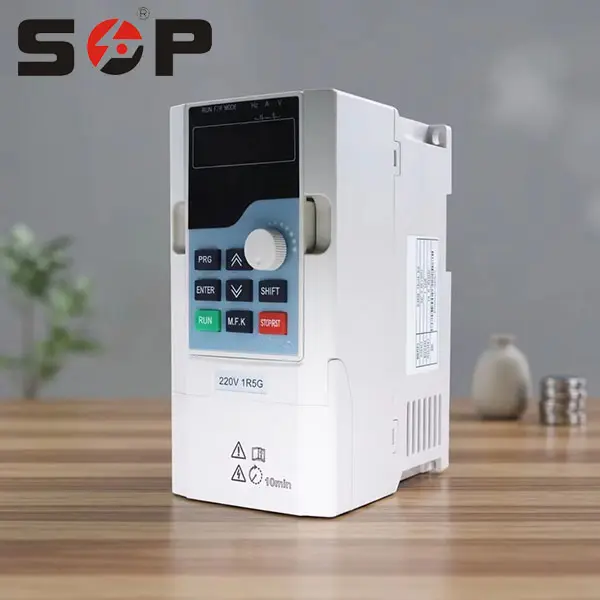
If you have ever walked through a small workshop setting up a new imported machine, or helped a remote production line troubleshoot inconsistent motor performance, you already know how quietly essential a three phase frequency converter can be. These devices do not usually grab the spotlight in flashy new product announcements, but they are the quiet backbone that keeps thousands of industrial facilities running smoothly, even when local grid conditions and equipment specs do not line up.
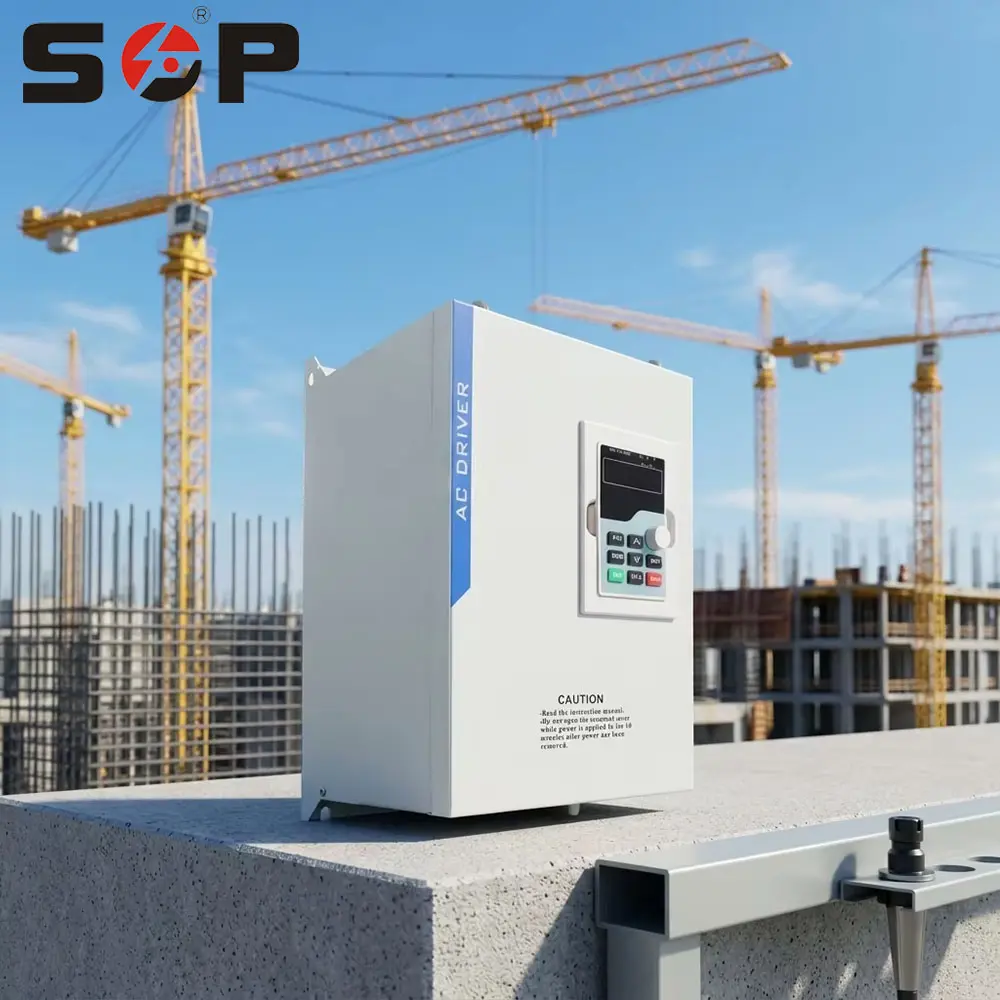
What a lot of on-site operators are talking about right now is how these converters have moved far beyond basic speed control. Years ago, most teams only reached for one when they needed to tweak a motor’s rotation pace to match a specific production step. Today, people are relying on them to solve far more practical, day-to-day headaches: stabilizing messy incoming power from weak rural grids, making old imported equipment compatible with local utility standards, and smoothing out the sharp current spikes that wear down motor windings over years of nonstop use.
The most noticeable shift we are seeing on job sites is that no one is treating these units as an afterthought accessory anymore. Teams are now factoring the three phase frequency converter into the full system layout from the very start of a project, not just grabbing one at the last minute to fix a power mismatch. Operators are prioritizing models that are easy to access for basic maintenance, have clear, uncomplicated interfaces for floor staff, and can stand up to dust, temperature swings, and long hours of continuous operation without unexpected shutdowns.
For small workshops and growing production teams that cannot afford to lock themselves into a single vendor’s proprietary power ecosystem, this steady, flexible workhorse is proving its real value. It does not just adjust frequency—it gives teams the freedom to deploy the equipment that fits their needs, instead of being forced to buy whatever happens to match their local grid.