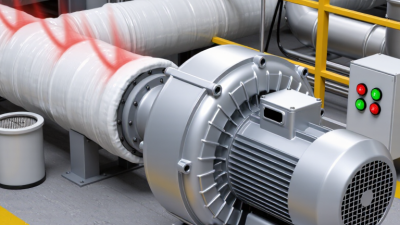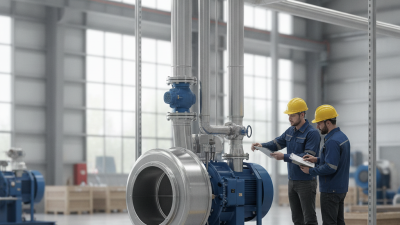
Choosing among the 10 best side channel air blowers is not as simple as comparing horsepower or price. A Side Channel Air Blower can support wastewater aeration, pneumatic conveying, drying, and vacuum handling, but the right model depends on the task. Airflow, pressure, operating hours, noise limits, and installation space all matter. A compact unit may fit neatly beside a tank, yet struggle when a system needs sustained pressure.
This guide compares leading options using practical factors: performance specifications, motor efficiency, construction, maintenance needs, and manufacturer support. Look closely at the operating point, not just the largest number on a product page. A blower rated for high airflow may not deliver that flow against your actual system resistance. Small details count. Inlet filters, cooling conditions, and pipe layout can affect results in daily use.
No single model is best for every facility. That deserves a pause. Product availability and specifications can also change, so confirm current data with the manufacturer before purchasing. The comparisons here are intended to help narrow your shortlist, not replace a site assessment. If possible, match the blower curve to measured demand and ask an experienced supplier to review the installation. Even a well-built blower can disappoint when it is poorly sized.
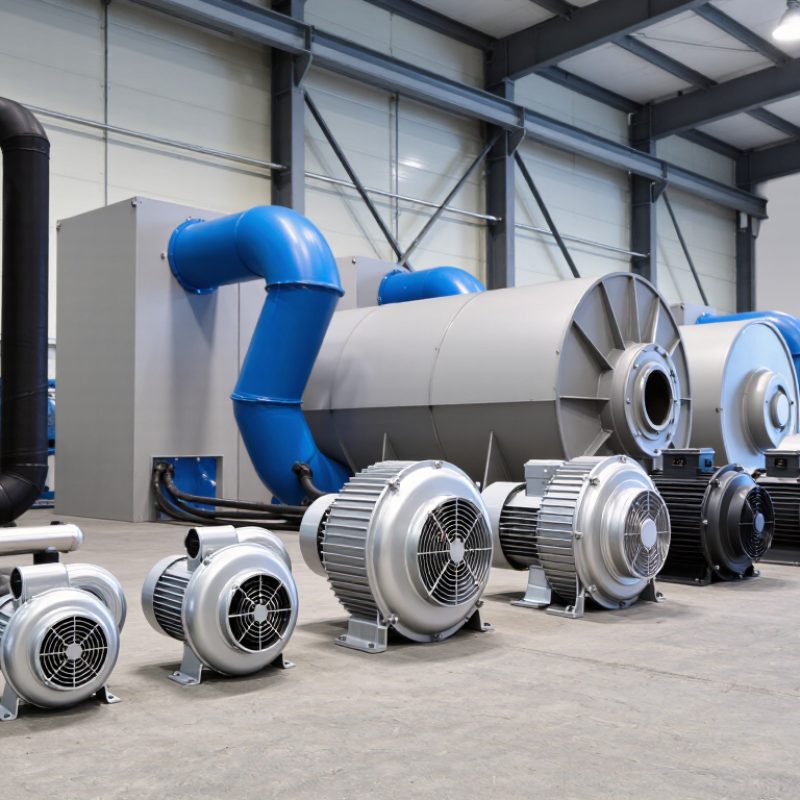
A side channel air blower moves air through a narrow annular channel beside a rotating impeller. As the impeller spins, its blades repeatedly accelerate the air and return it to the channel. This repeated circulation builds pressure gradually, rather than producing one sharp compression event. The result is a steady, oil-free airflow suited to tasks such as aeration, vacuum lifting, and pneumatic conveying.
Quiet, but not silent.
The blower’s pressure and flow depend on its design, speed, and operating conditions. A blocked inlet, dirty filter, or undersized pipe can raise resistance and reduce useful airflow. Heat matters too: air warms as it circulates, so ventilation and temperature checks protect performance. The U.S. Department of Energy’s Improving Compressed Air System Performance guide notes that compressed air can represent about 10% of industrial electricity use. That figure covers compressed-air systems broadly, not side channel blowers alone, but it shows why matching equipment to demand matters. In practice, compare the required flow and pressure at the actual operating point, then check power consumption and noise. A catalog rating is only a starting point. Some installations still overlook the piping.
Choosing among the 10 best side channel air blowers starts with the job, not the largest motor. Check the required airflow and pressure at the same time, since a unit’s maximum figures may not occur together. Check the curve. Compare the operating point with your process needs, such as conveying granules through a long pipe or supplying air to a treatment tank. A blower that runs far outside its efficient range may use more energy and produce excess heat.
These details can matter more than a small difference in purchase price. Not every application needs the quietest or most efficient model, though energy use becomes important during long daily operation. Leave room for uncertainty: real pipework, leaks, and changing loads can shift performance from catalog figures. Verify specifications against your actual system, and consult a qualified engineer when operating conditions are unusual.
Comparing ten leading side channel air blowers means looking beyond headline airflow. A unit that suits a packaging line may disappoint in a quiet laboratory. The most useful comparison considers airflow, pressure, motor power, noise, and duty cycle. Check performance at the required operating point, not just the maximum figure. Small detail. It matters.
Among ten candidates, compact single-stage models often suit light conveying and ventilation. Two-stage designs can provide higher pressure for demanding aeration or vacuum tasks, though they may use more power. Aluminum housings can reduce weight, while heavier construction may help with vibration in fixed installations. Inlet filters protect internal parts, but clogged filters restrict flow. Sound levels deserve attention near operators. A few decibels can change the workday.
Installation conditions can alter the ranking. Compare connection sizes, available voltage, cooling needs, and maintenance access before choosing. Ask suppliers for curves showing airflow against pressure, then compare figures at the same operating point. That is more reliable than judging isolated specifications. No single blower is best for every setup. Even a careful comparison can miss real-world effects, such as long pipe runs or dusty air. Leave room for measurement after installation.
A side channel air blower can move air, create vacuum, or support both tasks, but the right choice depends on the process. The “best” option is not always the one with the highest pressure rating. A packaging line may need steady airflow, while a wastewater system may demand reliable aeration through submerged diffusers. Start with the required flow and pressure at the operating point, not a single maximum figure on a product sheet.
Check the system, too. Long pipe runs, narrow hoses, filters, and bends add resistance. A blower that looks powerful in a catalogue may deliver less air once connected. Allow for leaks and future changes, but avoid excessive oversizing: it can waste energy and increase noise. Measure inlet temperature and altitude where relevant, since both can affect performance. Small details matter.
Then compare motor power, duty rating, cooling method, sound level, and maintenance access. Continuous operation needs a unit designed for sustained service, with enough clearance for cooling and room to inspect the inlet filter. Ask for a performance curve at your actual pressure or vacuum, and confirm the data includes any required accessories. I would also verify the sound level in the intended installation; published figures may not reflect a hard-walled plant room. There is no perfect shortlist of ten for every facility. A modest, well-matched blower can outperform a larger unit that runs far from its efficient range.
Choosing among the ten best side channel air blowers is only part of the decision. Installation conditions can determine whether a unit runs reliably. Mount the blower on a level, rigid surface, and leave clear space around its cooling fins. Even a small gap matters. Keep inlet and outlet piping clean, correctly sized, and free from sharp bends that restrict airflow. A clogged filter or undersized hose can raise operating temperature and reduce performance. Check the equipment manual for required clearances, electrical supply, and allowable pressure or vacuum limits.
Before startup, inspect the wiring, fasteners, and pipe connections. Use suitable isolation where vibration could loosen joints, but avoid placing soft supports where the manufacturer requires a firm mounting base. Listen during the first run. A steady hum is expected; scraping, sudden changes in pitch, or unusual heat deserve attention. Measure current and pressure under normal load, then record the readings as a baseline. It is easy to mistake a normal sound for a fault, so compare observations over time rather than relying on memory.
Maintenance is usually simple, not optional. Clean or replace inlet filters at intervals suited to the dust and moisture in the working environment. Check for leaks, loose fittings, and blocked vents during routine inspections. Stop the unit and isolate its power before service. Do not assume every blower needs the same schedule; actual duty cycles differ. A log helps, though I have seen tidy logs miss problems when nobody acts on them. Keep inspection notes practical: date, readings, cleaning performed, and any change in sound or temperature.
| Rank | Blower Configuration | Typical Airflow Range | Typical Differential Pressure | Suitable Applications | Installation Considerations | Maintenance and Operating Considerations |
|---|---|---|---|---|---|---|
| 1 | Compact single-stage, pressure service | Approximately 20–100 m³/h | Approximately 50–150 mbar | Small packaging machines, air knives, and light-duty conveying | Mount on a rigid, level surface; provide clear space around the cooling-air inlets and outlet. | Inspect the inlet filter regularly. Confirm that downstream restrictions do not cause excessive pressure or temperature. |
| 2 | Medium single-stage, general-purpose service | Approximately 80–300 m³/h | Approximately 100–250 mbar | Textile equipment, aeration, drying, and general pneumatic conveying | Use correctly sized pipework and flexible connectors where needed to reduce transmitted vibration. | Check filter condition, operating current, noise, and vibration. Keep the blower’s cooling path unobstructed. |
| 3 | Two-stage, higher-pressure configuration | Approximately 30–250 m³/h | Approximately 200–450 mbar | Pressure conveying, air agitation, and applications requiring greater pressure than a typical single-stage unit | Install a pressure-relief device and verify that the piping and fittings are rated for the operating pressure. | Monitor discharge temperature and motor load. Avoid prolonged operation against a closed or blocked line. |
| 4 | Two-stage, high-vacuum configuration | Approximately 30–220 m³/h | Approximately −150 to −400 mbar | Vacuum lifting, suction tables, and vacuum conveying | Fit an appropriately sized vacuum relief valve and use vacuum-rated hoses and vessels. | Check for leaks and clean or replace the inlet filter. Do not exceed the permitted vacuum level. |
| 5 | Large-flow, single-stage configuration | Approximately 300–1,200 m³/h | Approximately 80–200 mbar | Large aeration systems, industrial drying, and high-volume air movement | Allow for equipment weight, foundation stiffness, adequate ventilation, and sufficient electrical supply capacity. | Inspect bearings and mounting hardware according to the maintenance schedule. Trend current, noise, and vibration. |
| 6 | Variable-speed, process-control configuration | Depends on blower size and permitted speed range | Depends on blower size, speed, and system resistance | Processes with changing airflow demand, such as controlled aeration and variable production lines | Confirm motor and drive compatibility, electrical protection, minimum speed limits, and cooling requirements. | Set speed limits within the manufacturer’s operating envelope. Check drive alarms and motor temperature. |
| 7 | Acoustically enclosed configuration | Depends on the enclosed blower size | Depends on the selected blower and system duty | Indoor installations where equipment noise needs to be reduced | Ensure the enclosure has adequate ventilation and access for inspection; avoid recirculating hot exhaust air. | Clean ventilation openings and inspect sound-absorbing materials. Confirm that enclosure temperatures remain acceptable. |
| 8 | Filter-protected configuration for dusty environments | Depends on blower size and filter pressure drop | Depends on blower size and system resistance | Air handling in environments with airborne dust or fibers, when the process air is otherwise suitable | Choose a filter with sufficient area and a suitable efficiency rating; provide access for filter changes. | Check filter pressure drop and replace the element before restriction compromises airflow or raises temperature. |
| 9 | Corrosion-resistant materials configuration | Depends on blower size and material selection | Depends on blower size and system duty | Humid or mildly corrosive environments, subject to compatibility with the actual gas and process conditions | Verify material compatibility, condensation control, and the suitability of seals and connected pipework. | Inspect for corrosion, deposits, and moisture ingress. Confirm the selected materials are suitable for the process gas. |
| 10 | Duty/standby paired installation | Set by the capacity of each blower and the required backup duty | Set by the process requirement and selected blower configuration | Processes where continued airflow is important, such as critical aeration or production support | Provide suitable isolation valves, check valves, electrical interlocking, and space for safe maintenance. | Alternate operating hours where practical and test the standby unit periodically under operating conditions. |
| Selection note: The airflow and pressure figures above are indicative ranges for configuration comparison, not guaranteed ratings. Actual performance depends on the specific blower, gas properties, temperature, altitude, piping, filters, and operating point. Confirm the duty point and allowable limits against the supplier’s performance curve before installation. | ||||||