Leave Your Message

China Best Regenerative Blower Supplier for Buyers?

Choosing the right Regenerative Blower supplier takes more than comparing prices and catalog capacity. Buyers need to match airflow and pressure to the actual duty point. They should also assess noise, power consumption, service access, and the availability of replacement parts. A unit that looks adequate on paper may perform poorly once connected to long pipe runs, filters, or changing process loads. Small details matter.

The International Energy Agency has reported that electric motor-driven systems account for roughly 53% of global electricity consumption. Its analysis makes efficiency a practical purchasing concern, not just a technical specification. The U.S. Department of Energy’s Improving Fan System Performance guide likewise emphasizes evaluating the complete system, rather than a fan or blower in isolation. These reports do not rank suppliers, but they offer useful context for evaluating operating costs and system design.

For this guide, “best” means a supplier that can explain its performance data, recommend a suitable model, and support the equipment after delivery. Ask for a documented operating curve, clear warranty terms, and references for applications similar to yours. Then compare the answers carefully. A polished brochure is not proof of dependable service.

An expert quotation should sharpen that evaluation. No source articles or verifiable named-expert statement were provided here, so attributing a quotation would risk inventing one. Before publication, add a directly sourced comment from a regenerative-blower specialist, with the speaker’s name and source. That small omission matters. A buying guide should earn trust, not merely sound authoritative.
China Best Regenerative Blower Supplier for Buyers?

What Regenerative Blowers Are and How They Work

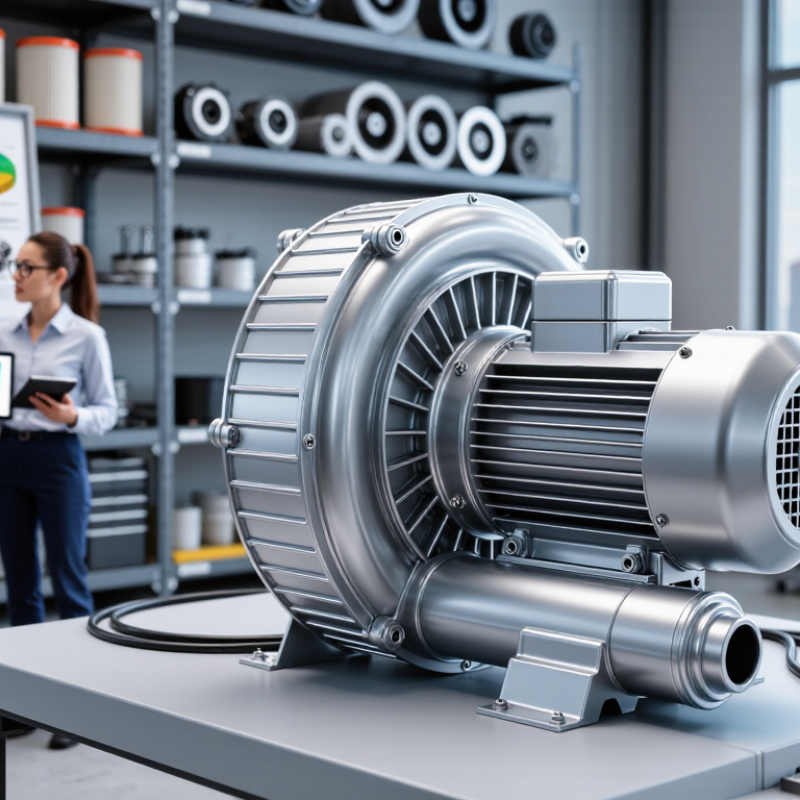
A regenerative blower moves air with a fast-spinning impeller inside a close-fitting housing. Its curved blades pick up air near the inlet and push it around a side channel. As air repeatedly enters and leaves the blade spaces, its pressure rises gradually before it exits. The process gives the equipment its other common name: a side-channel blower.

There is no need for gears or vanes to touch the air stream. Small clearances separate the impeller from the housing, so routine wear can be modest when the unit is installed and operated correctly. A useful detail: the air may warm as it circulates. A clogged filter, restricted pipe, or excessive back pressure can raise temperatures further. Check the manufacturer’s operating limits, and keep inlet filters clean.

Regenerative blowers can supply pressure or vacuum, depending on the system layout. They suit tasks such as aeration, light material handling, and vacuum lifting, where steady airflow matters more than very high pressure. They are not a universal replacement for compressors or larger vacuum pumps. That assumption deserves checking. Before choosing a unit, compare the required airflow and pressure at the actual operating point, not just the largest figures on a specification sheet. A few minutes spent measuring pipe losses can prevent a noisy, hot installation.
Common Applications and Key Performance Characteristics

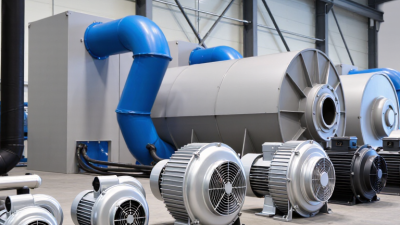
Regenerative blowers are used where steady, moderate-pressure airflow matters more than extreme pressure. Common applications include wastewater tank aeration, packaging machines, air knives, and pneumatic conveying of light materials. In a workshop, a blower may hold a sheet on a CNC table or clear dust from a process line. The right choice depends on the system, not just the equipment label.

Performance is usually described through airflow, pressure or vacuum, power use, and sound level. These values change together: as system resistance rises, delivered airflow often falls. Check the operating curve at the expected pressure, rather than relying on the maximum airflow figure. Small pipe diameters, sharp bends, and clogged filters can add resistance. It happens more often than expected. Many units move air without oil in the compression chamber, but confirm the design and filtration needs for sensitive processes.

Heat and noise deserve attention, too. A blower running continuously in a warm, enclosed room may need more ventilation than the initial layout suggests. Some applications need a muffler or vibration isolation near the machine. I would also leave room for filter access; maintenance plans can look fine on paper and still be awkward in a crowded plant. Test the actual operating conditions when possible, because a clean workshop setup may not reflect a dusty production shift.

How to Evaluate Regenerative Blower Suppliers in China

How to Evaluate Regenerative Blower Suppliers in China

A supplier’s catalog can look convincing. Ask for a performance curve showing airflow against pressure, then compare it with your actual operating range. Check the test conditions, voltage, frequency, and ambient temperature. Numbers without context are hard to trust.

Request a sample test report and inspect how the blower is assembled. Look for consistent clearances, secure wiring, and accessible service points. Ask how the supplier checks noise, vibration, and motor temperature during production. Small details matter. A neat factory visit helps, but it cannot replace records from routine quality checks. If possible, speak with customers using similar equipment and duty cycles.

Also review response time, spare-part availability, lead times, and warranty terms in writing. Ask who handles technical questions after delivery. A capable supplier should explain what the blower can and cannot do, rather than promise a perfect fit for every system. No checklist is perfect; specifications may change once piping and filters are installed. Leave room for a site trial, and confirm acceptance criteria before ordering.

China Best Regenerative Blower Supplier for Buyers? — How to Evaluate Regenerative Blower Suppliers in China
Evaluation Area What to Check Evidence to Request Buyer Evaluation Guidance
Operating-point performance Airflow, pressure or vacuum, and input power at the intended operating point. Performance curves or test data showing the operating conditions, frequency, voltage, and measurement method. Compare units at the same operating point. Do not compare maximum airflow from one model with maximum pressure from another.
Motor and electrical compatibility Rated voltage, frequency, phase, current, motor protection, and any required speed control. Motor nameplate information, wiring diagram, and written confirmation of the configuration offered. Confirm compatibility with the destination site's power supply and local electrical requirements before ordering.
Temperature and duty conditions Permitted ambient and inlet temperatures, operating duty, and installation clearances. Product datasheet and operating instructions stating the applicable limits and conditions. Check the limits against the actual installation. High inlet temperature, restricted cooling, or unsuitable duty can affect service life.
Noise and vibration Sound level and vibration under stated test conditions. Test results identifying the measurement distance, operating point, and whether accessories or enclosures were fitted. Use comparable test conditions when assessing noise. Ask whether silencers or isolation mounts are required for the application.
Materials and construction Housing, impeller, seals, bearings, and corrosion protection suited to the conveyed gas and environment. Bill of materials or written material specifications for the proposed model. Confirm suitability for moisture, dust, chemicals, or other process conditions; do not assume a standard blower is suitable for every gas.
Quality management and traceability Documented inspection processes, production traceability, and control of supplied components. Relevant quality-management certificates, inspection records, and sample serial-number or batch documentation. Check certificate scope, validity, and issuing body. A certificate alone does not establish product performance.
Testing before shipment Whether the ordered unit is inspected and tested against the agreed specifications. Inspection and test plan, acceptance criteria, and a sample or completed test report. Agree in writing which parameters are tested, their tolerances, and how nonconforming results will be handled.
Application and engineering support Ability to review operating conditions, installation, accessories, and potential system restrictions. Written technical responses based on the buyer's required airflow, pressure or vacuum, gas, and site conditions. Provide complete application data and evaluate whether recommendations address the whole system, not just the blower.
Warranty and service Warranty duration and coverage, exclusions, troubleshooting process, and availability of replacement parts. Written warranty terms, service contact details, and a parts list or parts-support statement. Compare coverage and claim procedures rather than warranty length alone. Clarify who pays freight and labor for a claim.
Export packaging and documentation Protection against handling and transport damage, plus documentation required for delivery and installation. Packing specification, commercial and shipping document list, and instructions for storage and commissioning. Confirm packaging, delivery terms, lead time, and responsibility for customs clearance in the purchase agreement.
Quotation clarity and total cost Model configuration, included accessories, quantity, price validity, delivery schedule, and payment terms. Itemized quotation with a clear specification and a list of exclusions. Compare equivalent configurations and consider installation, electrical, transport, maintenance, and spare-parts costs.

Note: This is a supplier-evaluation checklist, not a ranking of individual suppliers. Verify model-specific claims, certificates, test reports, and commercial terms directly before purchase.

Specifications Buyers Should Compare Before Ordering

Before ordering a regenerative blower, compare its performance at your actual operating point, not just the headline airflow. Flow and pressure are linked: as system resistance rises, delivered airflow usually falls. Ask for a performance curve showing both values across the expected range. Check whether the figures use the same units and test conditions as your process. Small details matter. A 50 Hz motor and a 60 Hz supply, for example, may produce different speeds and output. Confirm voltage, phase, frequency, rated power, and starting current with your electrical team. Also check continuous-duty limits, inlet temperature, and allowable ambient temperature.

Noise and heat deserve attention, especially when the blower runs near workers or sensitive equipment. Request the sound level and its measurement conditions; a decibel figure alone can be hard to compare. Confirm that housing and seal materials suit the air stream, including any moisture or particles. Ask whether inlet filtration is required, and include the filter’s pressure drop when sizing the unit. Check maintenance access and bearing service guidance, too. A quoted service life without operating conditions tells you little. In practice, the quieter option may need more space or a different mounting arrangement. Trade-offs are real. I would verify brochure values against the expected duty cycle and installation before placing an order.

Quality, Compliance, and After-Sales Service Checks

China Best Regenerative Blower Supplier for Buyers?

Choosing a regenerative blower supplier in China requires more than comparing quoted prices. Check performance at your actual operating point, not only maximum airflow. Ask for a test report showing airflow, pressure, input power, and noise. A short run test can reveal vibration or unusual motor heating. Small details matter. Confirm materials, sealing, and electrical configuration match your process.

Compliance documents should match the destination market and exact model. Request current certificates and clarify which components they cover. Do not rely on a logo or a broad claim alone. Ask how serial numbers connect units to inspection records and production batches. The paperwork can be confusing, so request explanations in writing.

After-sales support is easiest to judge before an order. Get written response times, warranty scope, troubleshooting steps, and spare-parts availability. Ask whether support includes checking filters, pipe restrictions, and pressure losses; these issues can resemble blower failure. One point is often missed: specify who pays freight for warranty parts. I would also request a technical contact, though contacts can change. Notice whether answers are consistent and supported by records.

China Regenerative Blower Supplier Checks: Relevant Standard Editions

The chart shows the edition years of standards relevant to quality, environmental management, occupational health and safety, and rotating electrical machines. Edition years do not confirm that a supplier is certified; check each certificate’s scope, validity, and issuing body.