

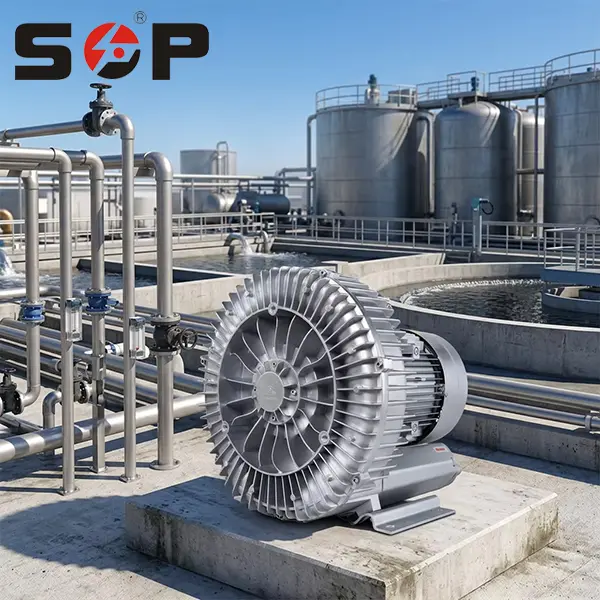
An Overview of Inflatable Blower
Inflatable blowers are specialized air-moving devices designed primarily for inflating and maintaining the shape of various inflatable structures, while also serving ventilation needs. Lightweight, energy-efficient, and easy to operate, they are widely used in commercial, industrial, and recreational fields.
Working Principle
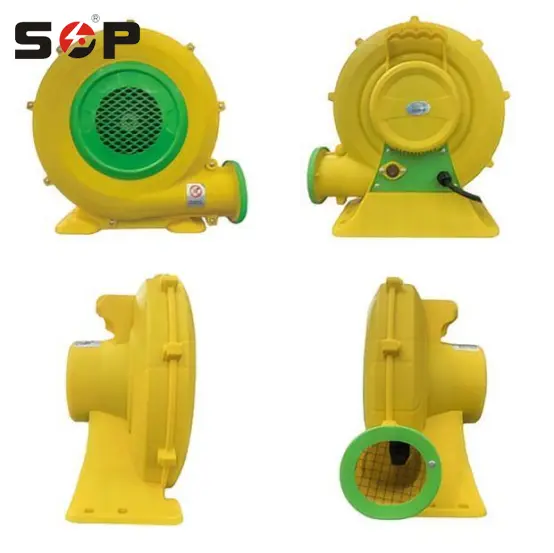
The working principle of inflatable blowers is based on the basic aerodynamic principle and energy conversion. The core structure consists of an electric motor, impeller (fan blades), air inlet, air outlet, and a plastic or metal housing. When the blower is powered on, the electric motor drives the impeller to rotate at high speed. The rotating impeller creates negative pressure at the air inlet, drawing in external air continuously. The air is then accelerated and compressed by the impeller, and finally discharged through the air outlet at a certain pressure to form a stable and continuous airflow. Unlike ordinary fans, Inflatable Blowers are designed to generate higher static pressure to overcome the resistance of inflatable materials, ensuring that inflatable structures can be quickly inflated and maintained in a full state. Most inflatable blowers are equipped with pressure regulating valves, which can adjust the air volume and pressure according to the size and material of the inflatable product, avoiding over-inflation or insufficient inflation.
Scientific Selection Methods
Selecting a suitable inflatable blower requires considering four core factors to ensure it matches the actual application needs. First, air volume and pressure: large inflatable structures such as inflatable tents, bouncy castles, and advertising inflatables require high-pressure, large-air-volume blowers, while small inflatables like balloons or small decorative inflatables only need low-pressure, small-air-volume models. Second, power and energy efficiency: choose a blower with appropriate power according to the size of the inflatable structure—excessive power will waste energy, while insufficient power will fail to meet inflation requirements; energy-efficient models can reduce long-term use costs. Third, portability and durability: for outdoor activities, lightweight and portable blowers with handles or wheels are preferred; the housing and impeller should be made of high-quality engineering plastic or metal to enhance wear resistance and corrosion resistance, adapting to different environmental conditions. Fourth, noise level: in public places such as parks, shopping malls, or residential areas, select low-noise blowers to avoid affecting the surrounding environment; industrial or outdoor construction scenarios can tolerate higher noise levels.
Application Scenarios
Inflatable blowers have a wide range of applications, covering commercial, recreational, industrial, and emergency fields. In the commercial and recreational sector, they are widely used in events such as weddings, promotions, and sports games to inflate advertising balloons, inflatable arches, inflatable tents, and bouncy castles, creating a lively atmosphere. In the industrial field, they are used for ventilation and dust removal in workshops, cooling of mechanical equipment, and inflation of industrial inflatable products such as airbags and inflatable seals. In daily life, they are used for inflating swimming pools, air mattresses, and outdoor camping inflatable products, bringing convenience to people’s leisure activities. In emergency situations, they can quickly inflate emergency shelters, life rafts, and air cushions, providing timely support for disaster relief and rescue work.
Additionally, they are used in agricultural greenhouses for ventilation, helping to adjust the internal temperature and humidity and promote crop growth.
In conclusion, inflatable blowers operate through simple energy conversion and aerodynamic principles, with the characteristics of high efficiency, portability, and adaptability. Scientific selection based on air volume, pressure, power, and noise level can ensure the blower’s optimal performance. Their diverse applications in various fields make them an indispensable tool in modern life and work, providing convenient and efficient solutions for inflation and ventilation needs.