


Centrifugal Fan: The Unsung Workhorse Keeping Industrial Airflow Running Smoothly
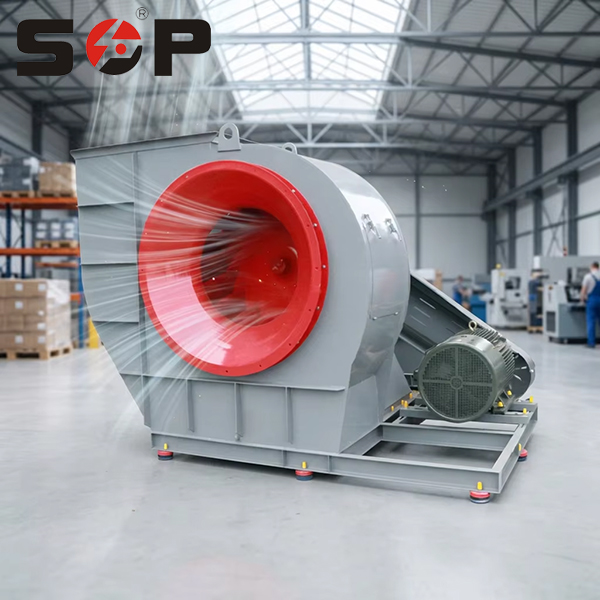
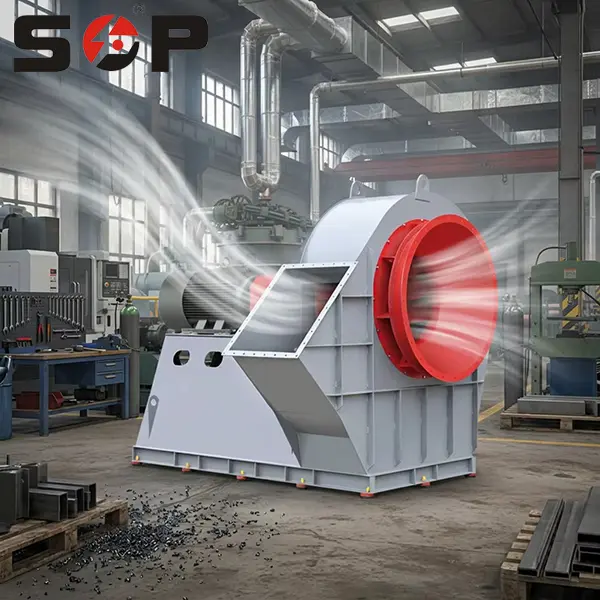
If you’ve stepped foot inside a modern factory, a food processing plant, or a large-scale wastewater treatment facility lately, you’ve almost certainly heard it: the steady, low hum of a Centrifugal Fan doing the kind of critical work no one stops to celebrate until it stops. These aren’t the flashy new pieces of equipment that make headlines at industry trade shows—they’re the quiet, reliable backbone that keeps entire operations from grinding to a halt.
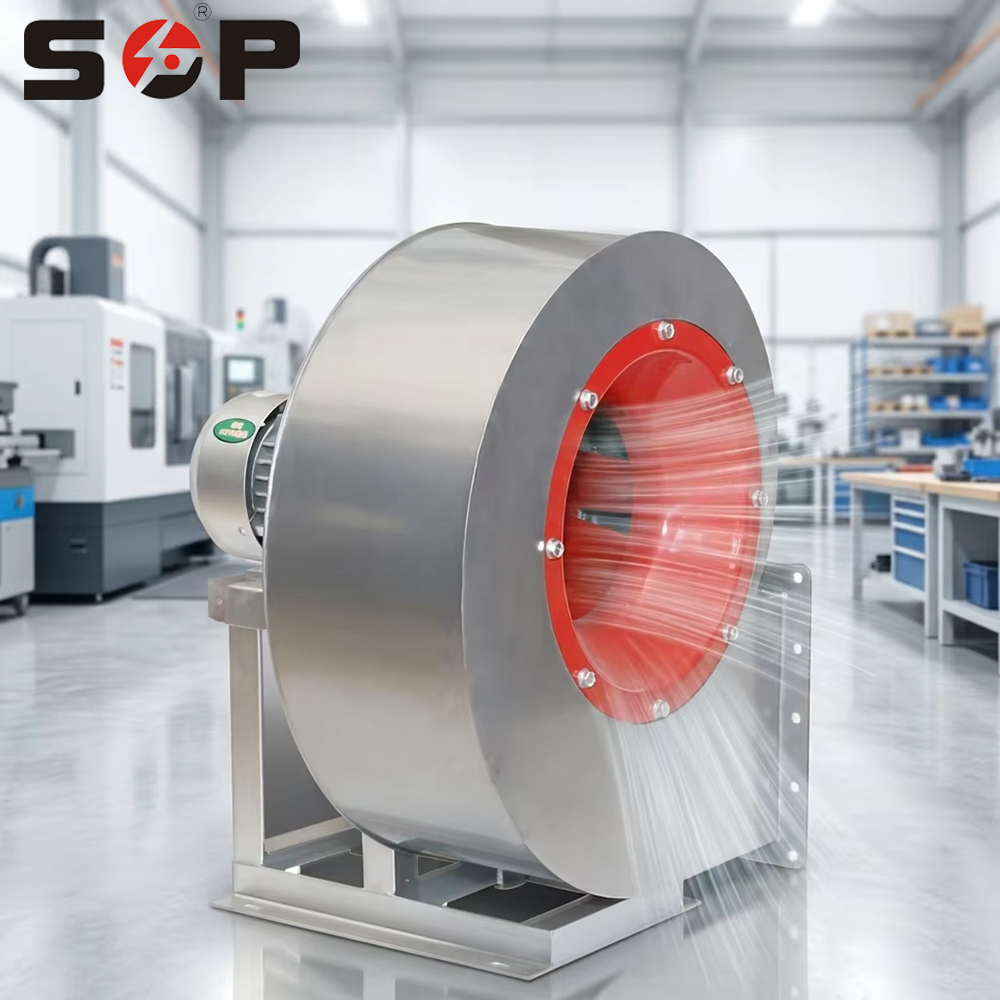
Unlike lighter, less rugged airflow solutions that struggle under constant, heavy-duty use, these fans are built to push consistent, powerful airflow through long duct runs, across large indoor spaces, and even through systems that handle damp, dust-laden, or chemically treated air. Operators I’ve spoken to over the years tell me stories of swapping out flimsy units that kept burning out mid-shift, only to replace them with centrifugal fans that kept running reliably, month after month, through the harshest working conditions. No more scrambling for emergency replacement parts in the middle of a busy production week, no more unexpected shutdowns that throw entire operational schedules off track.
What’s really winning teams over, though, is how much flexibility these units bring to the table. They can be tuned to match exactly the airflow pressure a space needs, whether that’s venting stale, humid air out of a packed fish hatchery to keep stock healthy, moving fresh, filtered air through a food processing line to meet strict hygiene rules, or clearing fumes out of an industrial workshop to keep crews safe. You don’t have to rip out your entire existing duct setup to fit them, and they slot right into workflows that teams have already refined over years of operation.
For facilities tired of dealing with airflow systems that can’t keep up with real-world demands, the centrifugal fan isn’t just another piece of auxiliary gear. It’s the kind of no-fuss, dependable workhorse that lets teams stop troubleshooting airflow issues every other week, and focus on the core work their operations were built to do. As more facilities prioritize long-term reliability over short-term convenience, these unassuming fans are quietly setting a new standard for what industrial airflow performance should look like.