

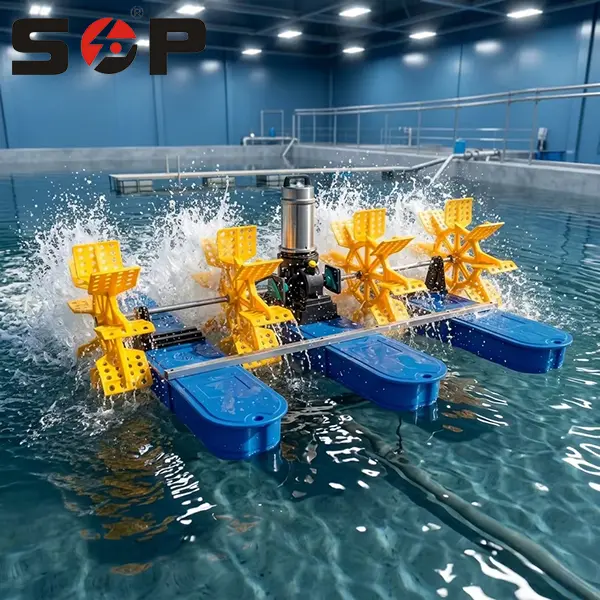
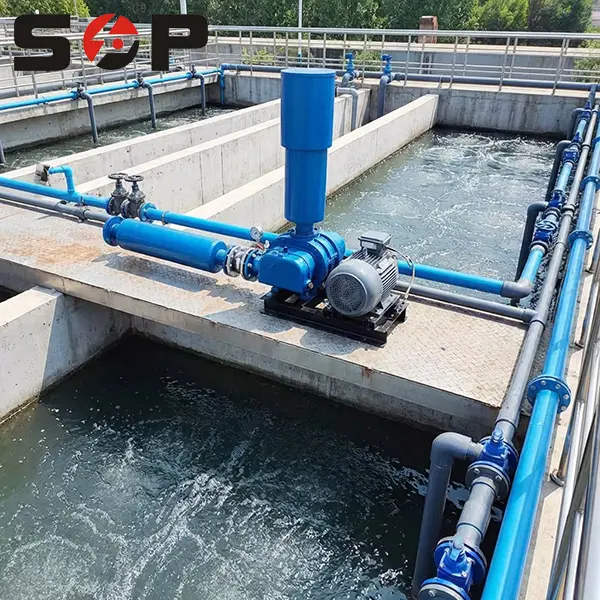
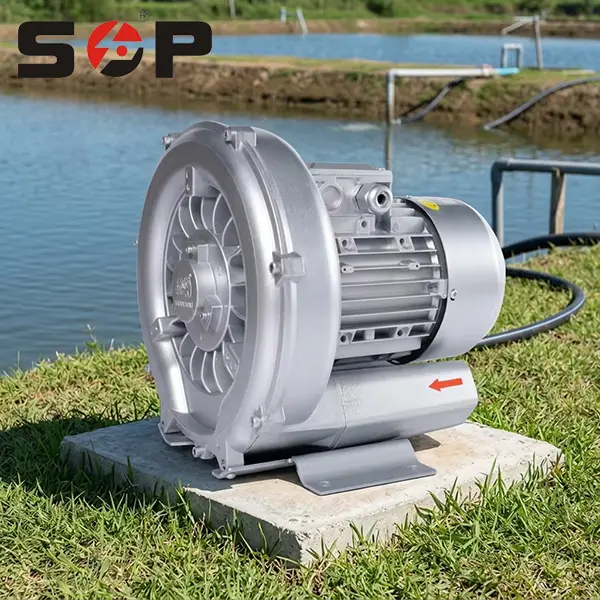
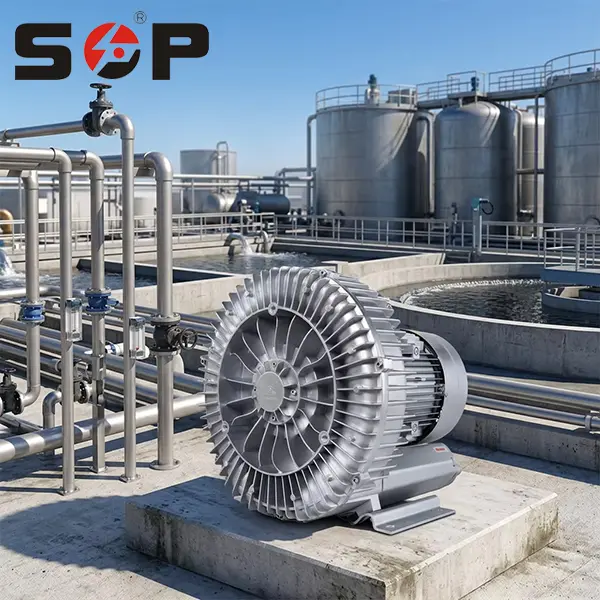
Double Speed Aerator: The Flexible Workhorse That’s Rewriting Daily Operations for Water Teams
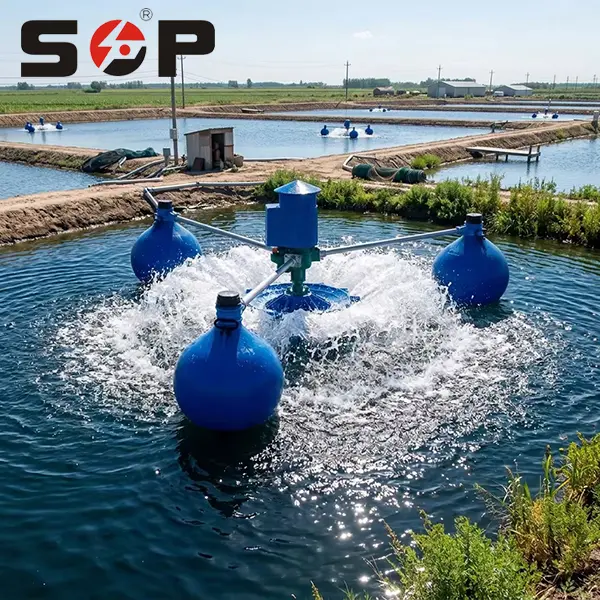
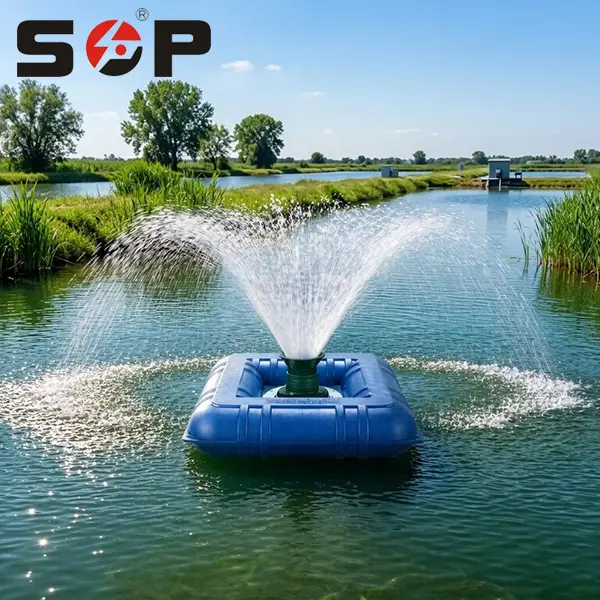
If you’ve ever stood by an aeration tank at full tilt, watching power bills climb even when the water doesn’t need that much oxygen, you already know the frustration that double speed aerators were built to fix. This isn’t just another minor upgrade — it’s a shift that’s making day-to-day life far easier for everyone running aquaculture or wastewater systems.
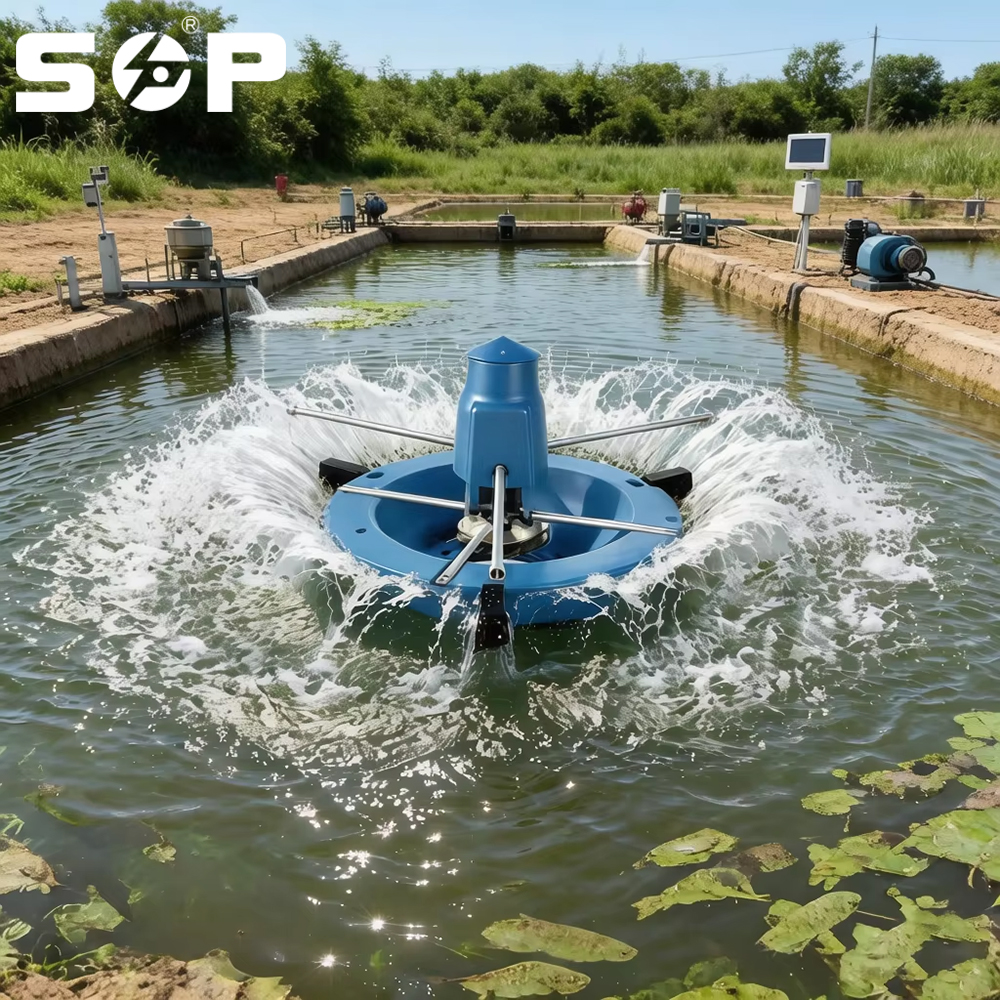
The core idea is simple: two distinct speed settings, not just one. On days when water temperature is mild, or when organic load in the tank is low, operators can drop the aerator to its lower, quieter speed. It runs smoothly, uses far less energy, and still keeps dissolved oxygen at a perfectly healthy level. But when a sudden summer heatwave hits, or a spike in incoming wastewater pushes demand higher, you can flip it to full power in seconds, no last-minute scrambling to bring backup equipment online.
What’s winning over long-time industry folks isn’t just the energy savings — it’s the lack of unnecessary drama. Many teams used to run their old single-speed aerators nonstop at full power, just to avoid the risk of oxygen crashes. That meant unnecessary wear and tear, frequent part swaps, and constant noise that made working near the tanks a chore. With a double speed aerator, you’re only pushing the machine hard when it actually needs to be there.
Small-scale fish farmers and large municipal plants alike are picking these up fast, and the feedback is almost identical: fewer late-night emergency checks, more predictable running costs, and a machine that actually adapts to how real-world water conditions change, hour by hour. It’s not a flashy breakthrough, but it’s the kind of practical, no-nonsense upgrade that makes you wonder how anyone ever ran their system without it.