

Floating Ball Aerator: The Low-Profile Upgrade Making Pond Aeration Far Less of a Headache
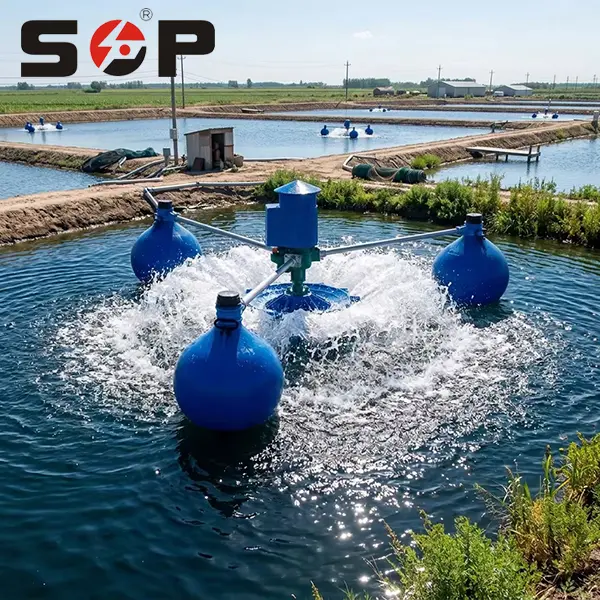
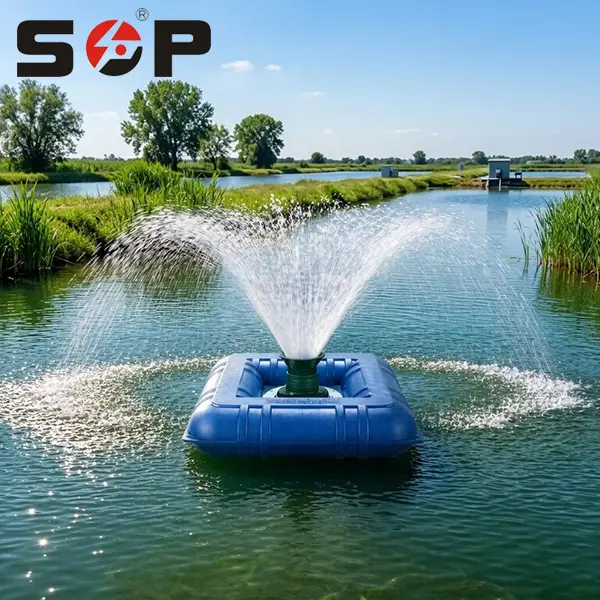
If you’ve walked a commercial aquaculture farm lately, you’ve probably spotted them bobbing gently across pond surfaces instead of the loud, bulky aerators everyone’s used to. The floating ball aerator isn’t some flashy new gimmick—it’s the kind of quiet, practical upgrade that makes every farm operator wonder how they ever got by without it.
Unlike traditional rigid aeration systems that lock you into fixed installation spots and leave dead zones of stagnant, low-oxygen water tucked in pond corners, these spherical units drift and shift naturally across the water. They move with mild currents, spread fine, even bubbles through every layer of the pond, and never leave those hard-to-reach spots where sludge and harmful algae used to build up no matter how many extra aerators you added. Farmers I’ve talked to say they used to spend hours rearranging heavy equipment just to cover those stubborn dead zones; now the floating ball aerators do that work on their own, no extra effort required.
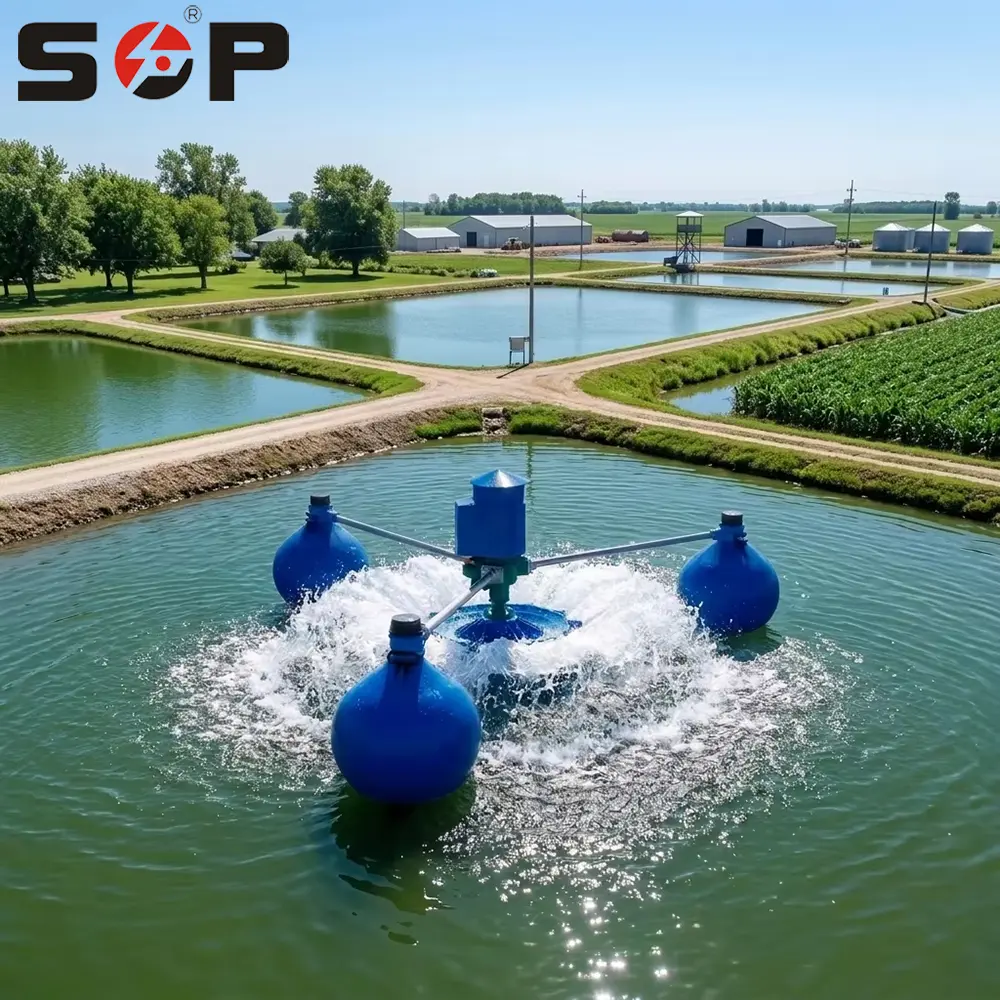
What really stands out out in the field is how unshakably low-maintenance they are. No sharp metal edges to corrode after years of splashing saltwater or chemical treatments, no fragile impellers that jam the second a stray piece of pond debris drifts into them. Crews don’t need to haul out heavy lifting gear to pull them out for cleaning or seasonal checks. You just wade out, grab them, and they’re right in your hands. No draining pond sections, no shutting down entire grow-out cycles just for routine upkeep.
For small family farms and large commercial operations alike, that’s the difference between spending half your week fighting aeration headaches and focusing on the work that actually helps stock thrive. As more aquaculture teams swap out their old, high-fuss systems for these floating ball units, it’s clear this isn’t just a minor tweak—it’s redefining what reliable, no-stress pond aeration looks like.