


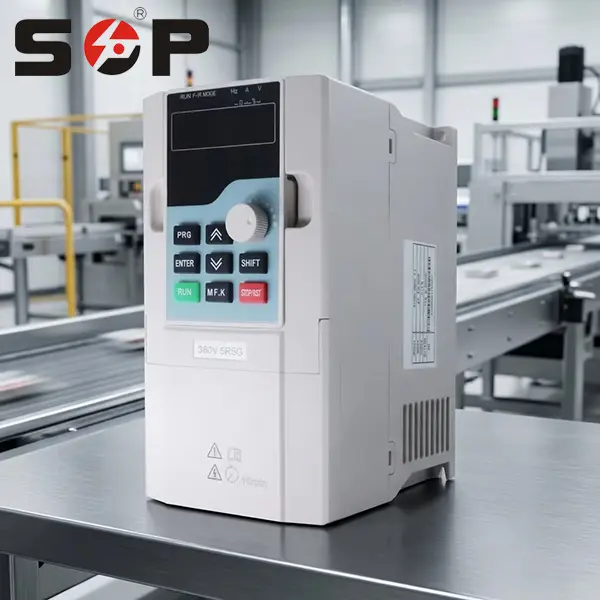

Frequency Converters Become Unseen Game-Changer for Vacuum System Energy and Process Stability
Plant operations teams running industrial vacuum systems are quietly rolling out Frequency Converters across their lines, and the real-world results are turning out far better than most expected, not just on energy bills but on day-to-day production consistency.
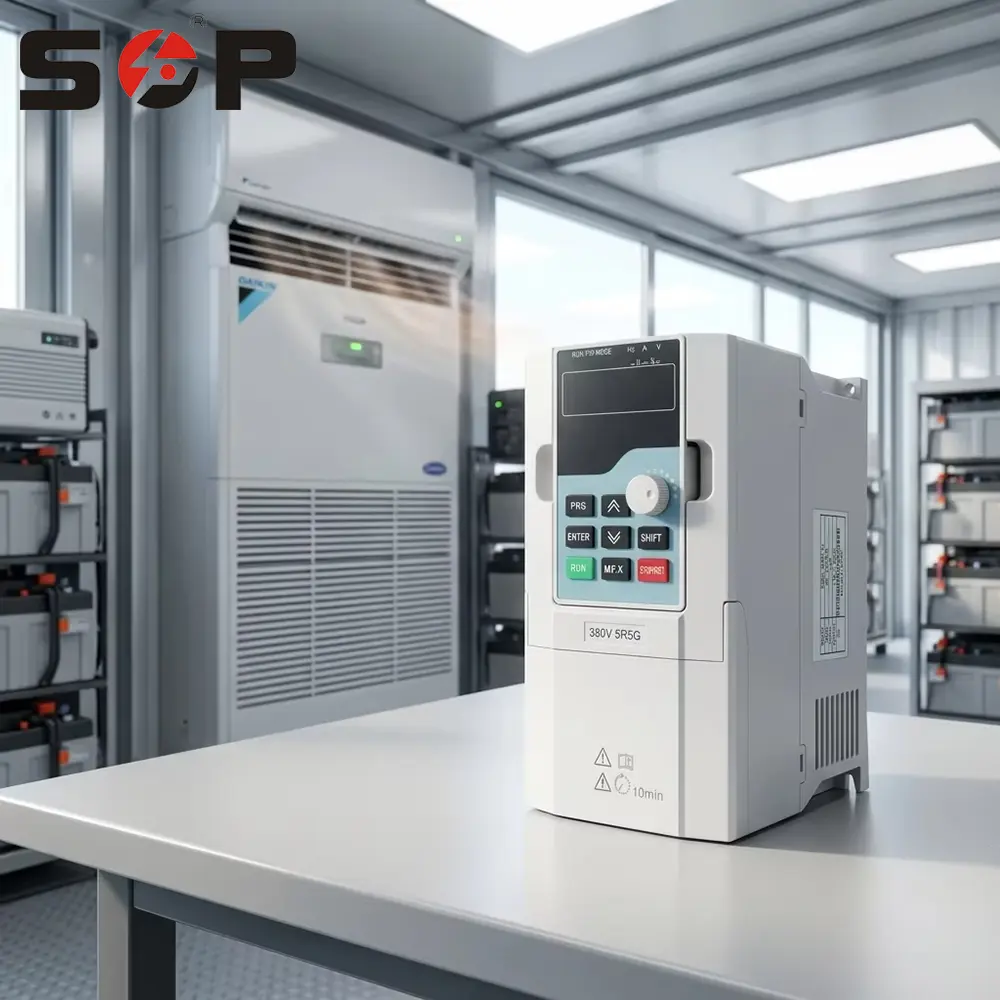
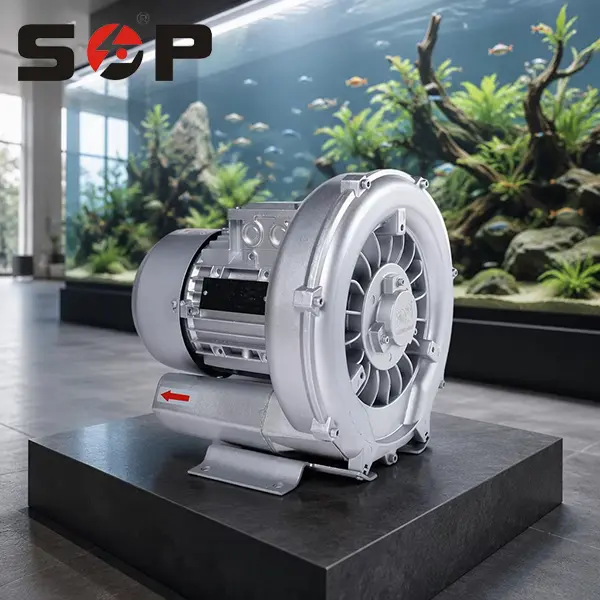
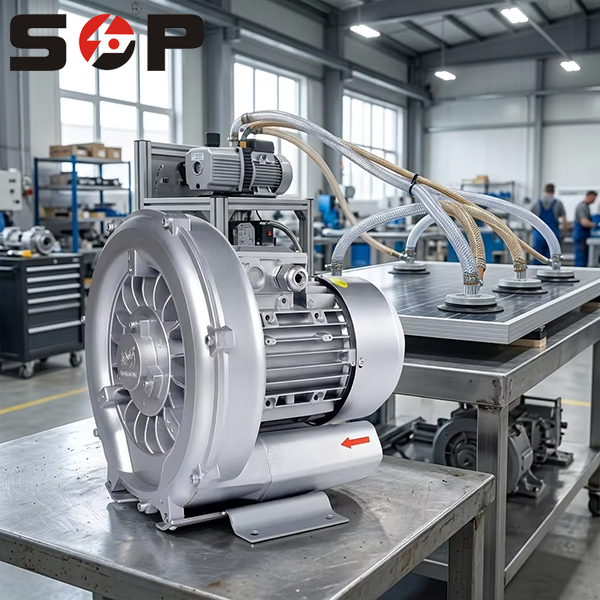
Before adding frequency converters, most vacuum systems ran at full fixed speed the second they switched on, even when the line only needed partial suction for light conveying or low-load hold-down tasks. That meant they wasted huge amounts of power, ran far hotter than necessary, and often burned through seals and bearings months ahead of their scheduled service date. A packaging facility running 24/7 vacuum for carton sealing reported that after fitting frequency converters to its three main side Channel Blowers, it cut vacuum system energy use by 38% in the first three months, no major hardware changes required.
The biggest win no one fully anticipated was process stability. Operators can now dial vacuum pressure exactly to match the material and task at hand, instead of manually bleeding off excess pressure to avoid over-suction. For fragile food granules and thin battery separator films, that eliminated nearly all the product damage that used to happen when the vacuum ran too hard. Maintenance teams also say their blower and pump service intervals have stretched from every 8 months to over 14, because the motors no longer suffer constant full-speed startup shocks.
This trend is not driven by new regulatory mandates. It is spreading from one plant engineering team to the next, as people share photos of their monthly utility bills and far fewer midnight call-outs for overheating vacuum units. For facilities that have run vacuum systems for decades, the frequency converter is turning out to be one of the simplest, highest-return upgrades they have installed in years.