
Global Aquaculture Operators Shift to Water Wheel Aerators as Energy and Yield Pressures Intensify
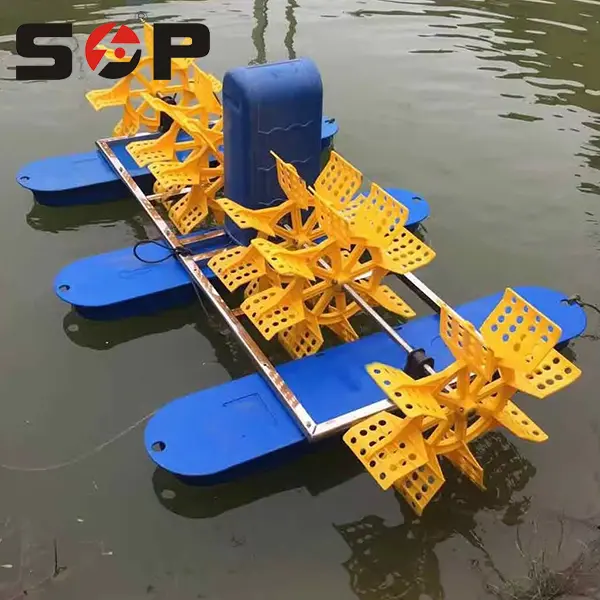
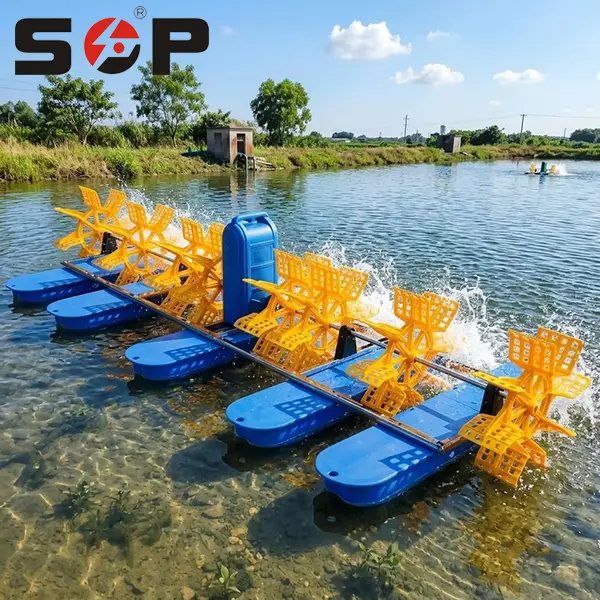
Across shrimp and tilapia farming hubs in Southeast Asia, Latin America and coastal China, Water Wheel Aerators are emerging as one of the most in-demand pieces of pond equipment this year, as producers chase lower operating costs and more consistent harvests amid volatile feed and electricity prices.
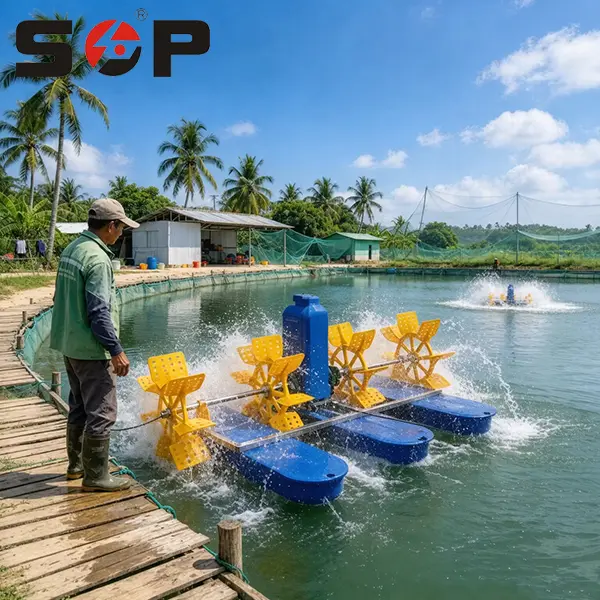
Unlike traditional high-speed paddlewheel designs that churn water aggressively to create splash, the water wheel aerator uses a slower, wider rotating mechanism to lift and cascade large volumes of surface water, extending oxygen circulation further across ponds while drawing far less peak power. Independent field tests run on 27 commercial farms in Thailand’s Chanthaburi province found that the units delivered 31% better oxygen distribution at depths of 1.2 meters, while cutting average hourly energy consumption by nearly 27% compared to older models.
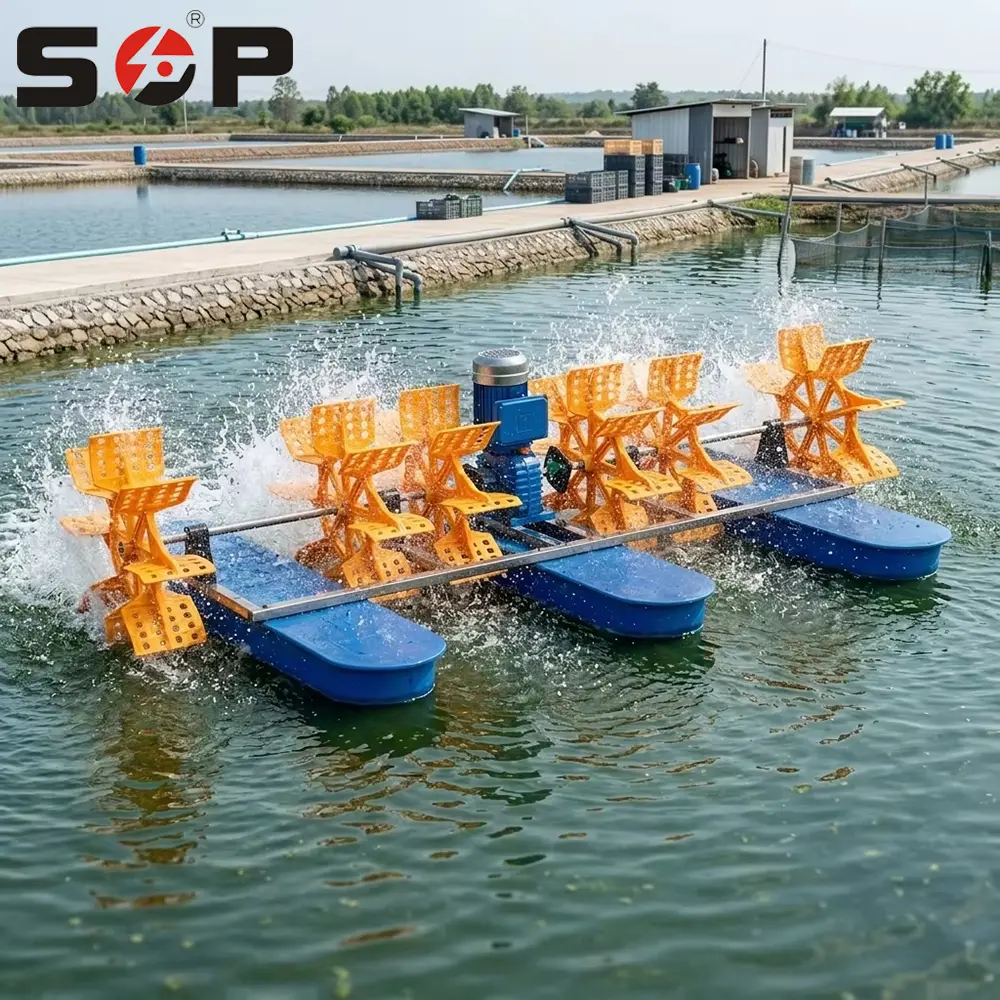
What is pushing adoption fastest, operators say, is not the technical specs on a datasheet, but the real-world difference it makes during critical summer nights. Many farms reported that after switching to water wheel aerators, they no longer need to run backup emergency aerators through the entire midnight window, a change that has shaved thousands of dollars off monthly utility bills for operations covering 20 hectares or more. For small family farms that operate on razor-thin margins, that savings alone can mean the difference between a profitable harvest and a losing season.
Global equipment suppliers tracking sales data note that water wheel aerator shipments rose 41% year-over-year in the first half of 2026, outpacing growth for nearly every other category of mechanical aquaculture aeration gear. A large share of the new orders is coming from farms that previously stuck to cheaper, lower-quality aerators, but now say the longer service life and lower maintenance needs of the water wheel design make it the smarter long-term investment.
Unlike many new “smart” aquaculture tools that require specialized training or expensive cloud subscriptions, these aerators work with existing pond infrastructure. That accessibility is why the technology is spreading not just among large industrial operations, but through tight-knit farming communities where word-of-mouth results from neighboring farms still drive most purchasing decisions. For an industry under constant pressure to produce more seafood with fewer resources, the water wheel aerator is proving that sometimes the most impactful upgrades are not the most complicated ones.