
Industrial Roots Blower Technology Gains Wider Adoption Across 2026 Water and Industrial Sectors
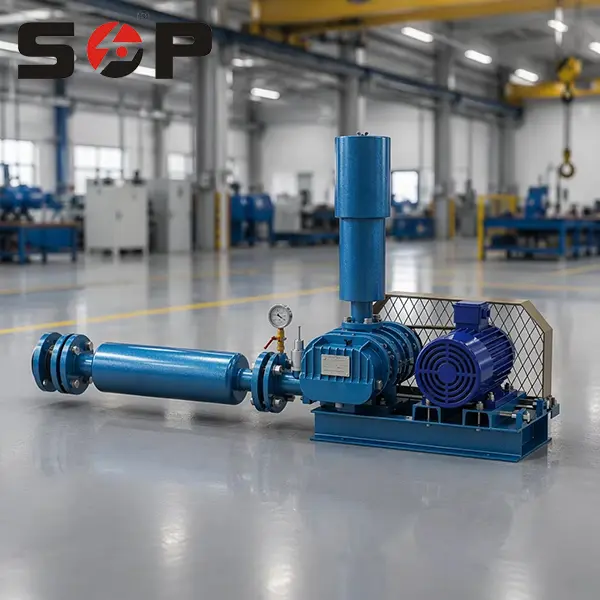
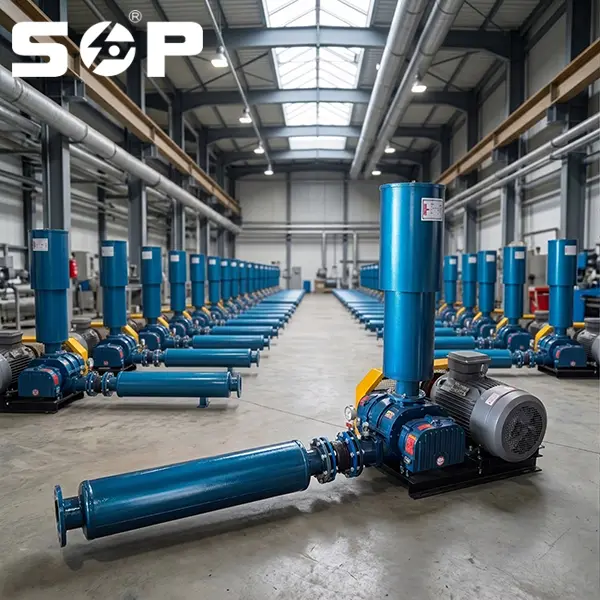
Roots blower technology, a longstanding workhorse of positive displacement air systems, is seeing renewed traction across multiple industrial and environmental processing sectors this year, as operators prioritize rugged, low-maintenance equipment that delivers consistent performance under variable working conditions.
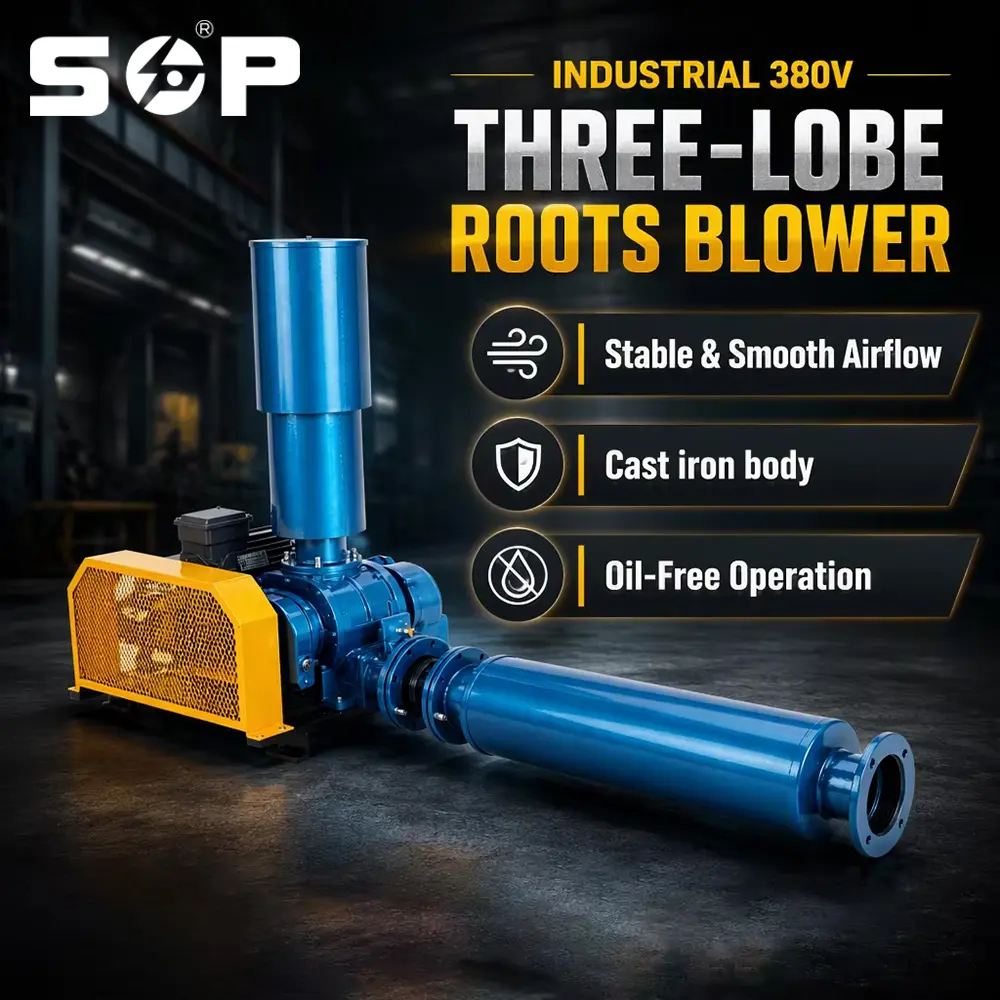
Unlike many newer air compression designs that rely on complex electronic controls, the classic Roots Blower operates on a straightforward twin or tri-lobe rotor principle, moving steady, non-pulsating volumes of air without requiring complicated adjustments to match fluctuating system pressure. This inherent simplicity has made it a go-to choice for facilities that run continuous, non-stop operations, where unexpected downtime can create cascading disruptions across entire production or treatment workflows.
Recent field observations from on-site engineering teams note that modern iterations of the technology have addressed many older pain points, including excessive operational noise and minor vibration issues that were common with legacy models. Refined rotor balancing, upgraded sealing materials, and improved housing precision now let the units run far smoother, making them suitable for installation closer to staff work areas without extra soundproofing work.
Operators in water treatment, pneumatic conveying, and industrial aeration applications say they continue to select Roots blowers not for flashy new features, but for their predictable performance and ease of upkeep. Maintenance teams do not need specialized, manufacturer-only training to service the units, and spare parts remain widely available through standard industrial supply chains.
As many industrial operators shift focus away from overcomplicated, high-maintenance equipment this year, the reliable, time-tested Roots blower design is reaffirming its place as a trusted staple for facilities that value long-term operational stability over unproven new technology.