
Paddle Wheel Aerator: The Timeless Workhorse That’s Still Winning Over Aquaculture Operators
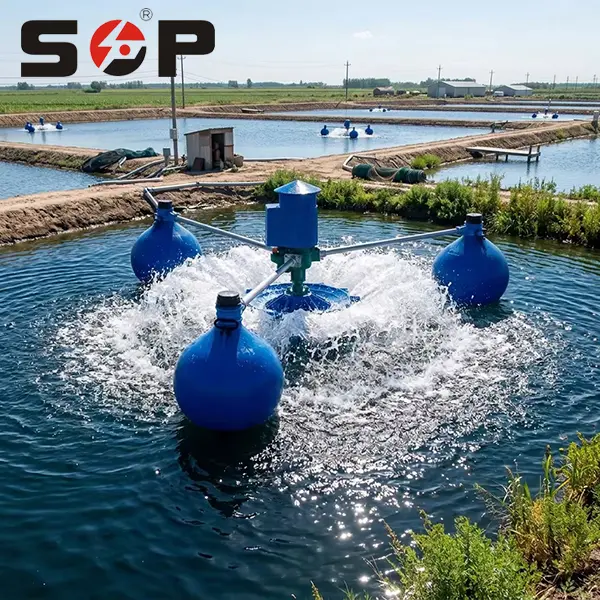
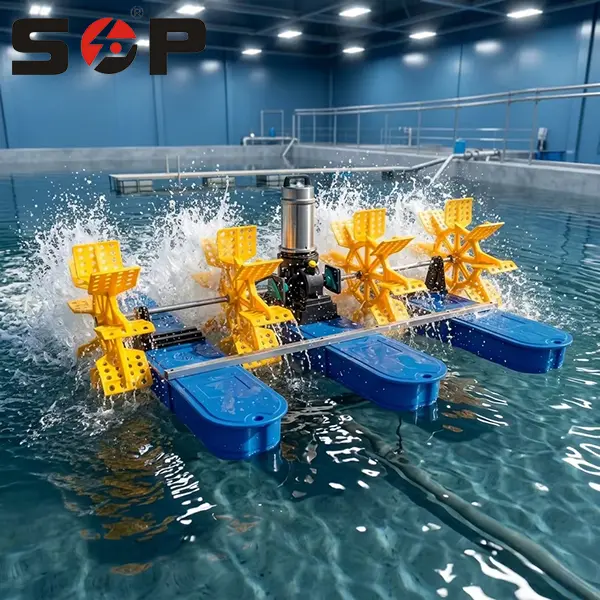
If you’ve ever walked past a bustling shrimp or fish farm at dawn, you’ve almost certainly seen a paddle wheel aerator churning across the pond surface, sending sprays of water glinting in the early sun. This isn’t some fancy new tech that just hit the market — it’s a design that’s been around for ages, and it’s still outperforming far more hyped alternatives for a huge share of operators.
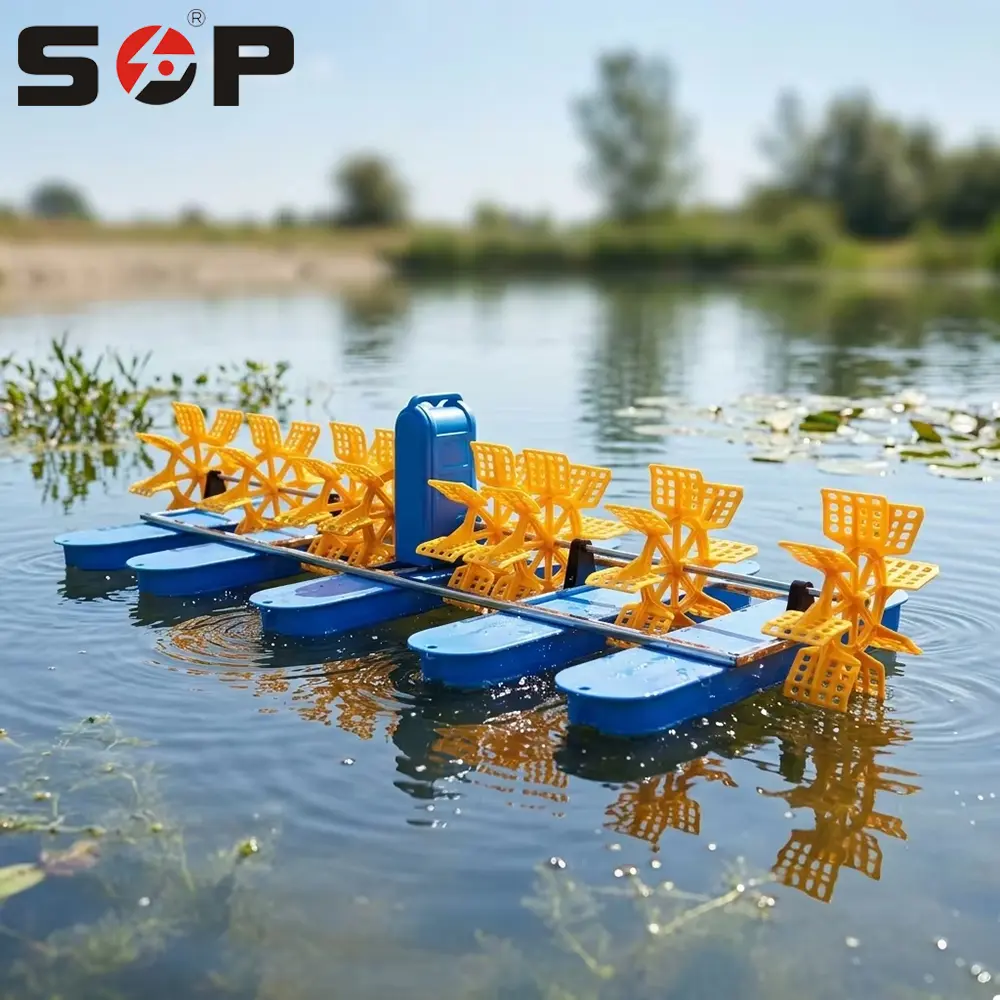
What makes these machines so hard to replace is their unapologetic simplicity. There’s no complicated sealed system to spring hidden leaks, no delicate tiny bubbles that get disrupted by sudden water flow shifts. The spinning paddles slash right through the surface, mixing fresh air directly into the top layers of water, creating constant, visible circulation that stops stratification dead in its tracks. Even in murky, algae-heavy ponds that would throw off more sensitive aeration gear, a well-built Paddle Wheel Aerator just keeps turning, no fuss.
Veteran farm hands swear by them for reasons that go way beyond basic aeration. They know exactly what to do if a paddle gets nicked or a bearing wears out — no need to wait for a specialized technician or order hard-to-source replacement parts. You can tweak the angle of the paddles on the fly to push water exactly where you need it, steering flow to keep waste from settling in dead corners of the pond. Newer iterations have smoothed out old pain points, adding sturdier frames and more efficient motor setups, but they’ve never lost that no-nonsense, easy-to-fix core that made them farm favorites in the first place.
Right now, as the industry chases all kinds of high-tech aeration solutions, the paddle wheel aerator is quietly holding its ground, and even gaining new fans. Small family farms and large commercial operations alike are sticking with it, because it’s proven itself through decades of brutal summer heat, unexpected storms, and tight operating budgets. It’s not the flashiest piece of gear on the market, but it’s the one that operators know they can count on, no matter what the day throws at them.