
An Overview of Roots Blower
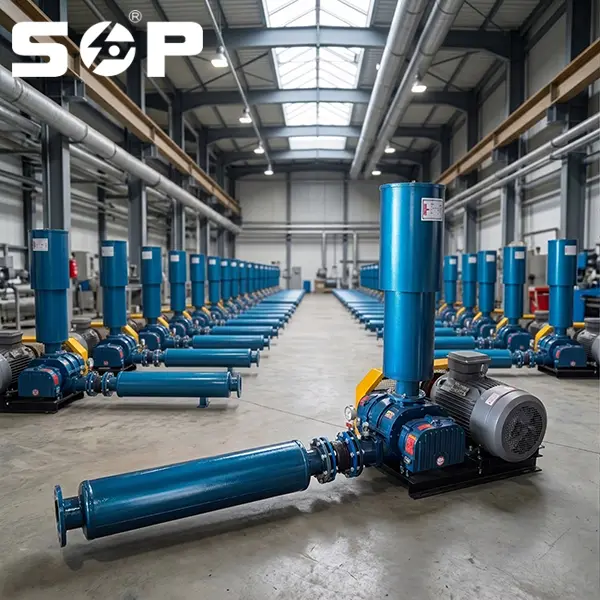
The Roots Blower is a widely used positive displacement rotary blower, invented by American brothers Philander and Francis Roots in 1854. It is mainly used for conveying air and various gases, with the advantages of simple structure, stable air volume and strong adaptability. This article focuses on its key components, working principle and application scenarios, helping to understand this essential industrial equipment.
Key Components
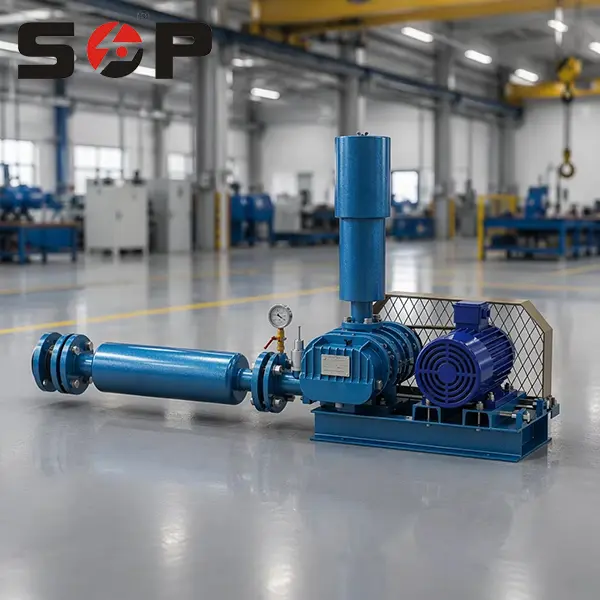
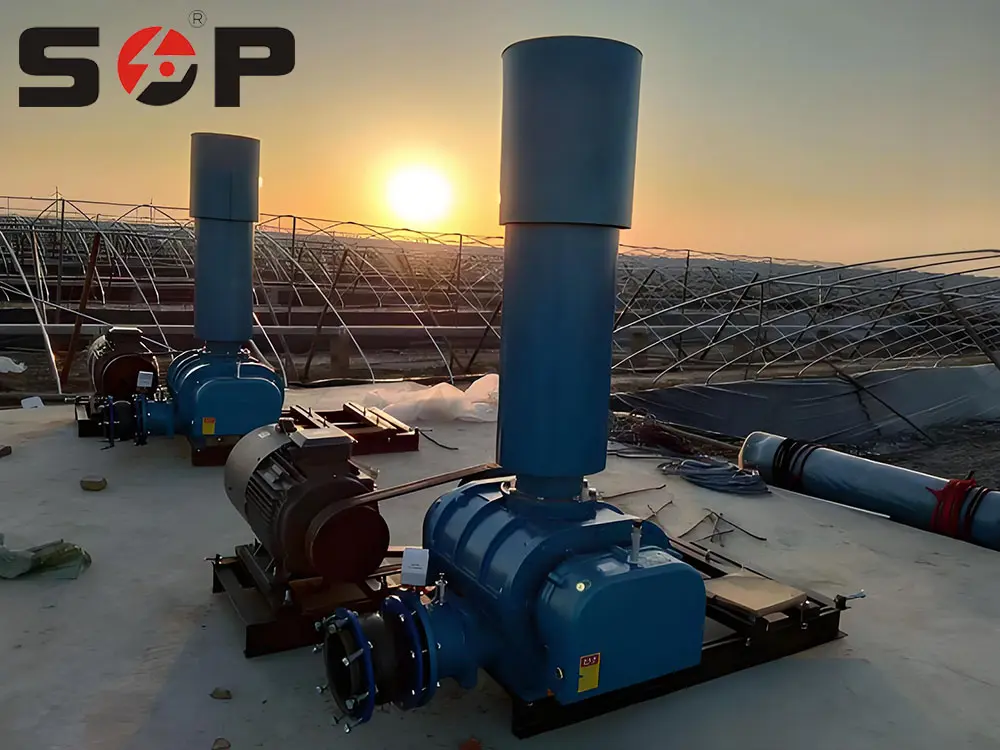
The key components of the Roots blower are the core of its stable operation, mainly including rotors, casing, synchronous gears, wall panels and sealing system. Rotors are the most critical part for gas conveyance, divided into two-lobe and three-lobe types. Currently, three-lobe rotors are more mainstream due to their lower noise and more stable air flow. The casing, usually made of HT250 cast iron or stainless steel, forms a closed cavity to ensure gas tightness. Synchronous gears ensure that the two rotors mesh accurately and rotate synchronously, while the sealing system prevents gas and lubricant leakage, and wall panels support and fix the rotors.
Working Principle
The working principle of the Roots blower is based on the volume displacement principle, which is divided into three simple stages: suction, conveyance and exhaust. First, when two parallel rotors rotate in opposite directions in the casing, the volume of the intake chamber increases, resulting in negative pressure, and gas is sucked into the chamber under atmospheric pressure. Then, as the rotors continue to rotate, the gas is trapped in the closed cavity formed by the rotors and the casing, and is steadily pushed to the exhaust end. Finally, the gas is forced out under the action of system back pressure. It is worth noting that the rotors do not contact each other, maintaining a 0.1-0.3mm gap to avoid friction, which relies on precision machining.
Application Scenarios
Due to its unique performance, the Roots blower has a wide range of application scenarios in industrial production. In water and wastewater treatment, it is mainly used for aeration in biochemical pools, providing sufficient oxygen for microorganisms to degrade organic pollutants, and also for biogas recovery in landfills. In the pneumatic conveying system, it is used to transport granular or powdery materials such as grain, cement and flour, avoiding material damage caused by mechanical conveying.
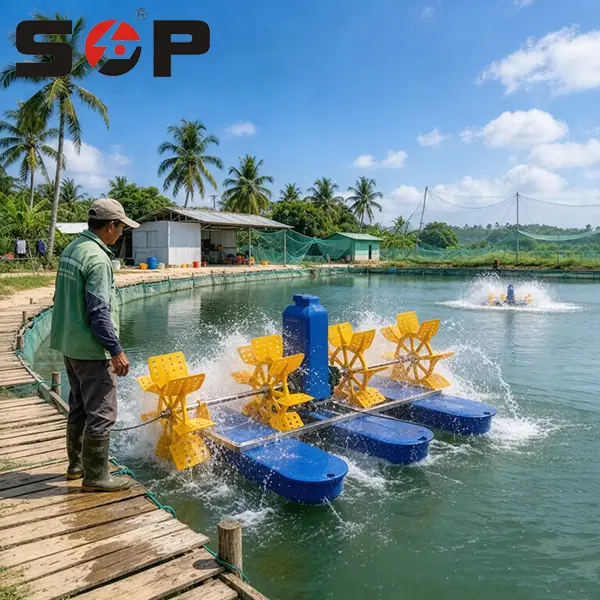
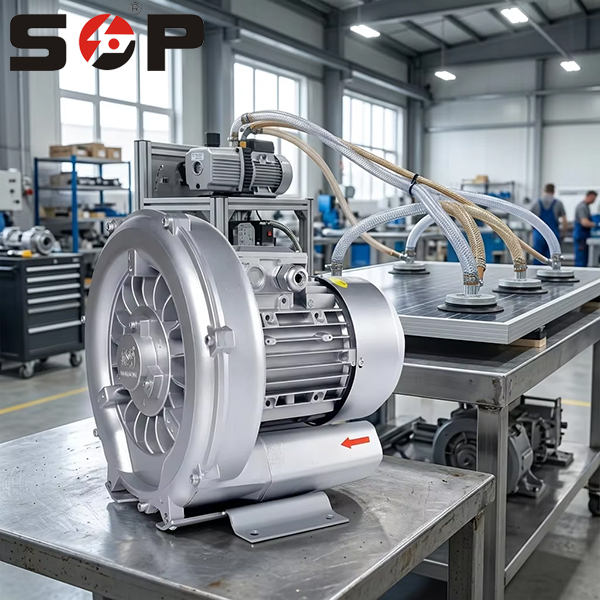
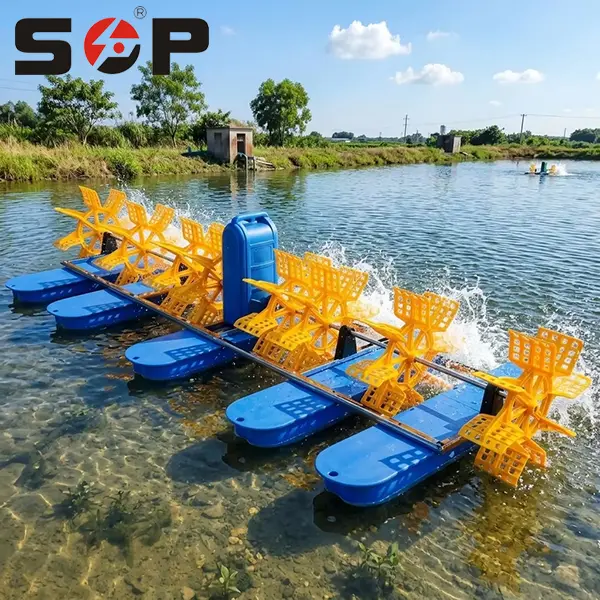
In the chemical and metallurgical industry, it is suitable for conveying inert, corrosive or explosive gases, as well as gas circulation in reaction kettles and blast furnace blowing in smelting processes. It also plays an important role in aquaculture, food and pharmaceutical industries: aerating high-density aquaculture ponds to improve aquatic survival rate, conveying raw materials and vacuum packaging in the food industry, and providing clean gas conveying in the pharmaceutical industry. Additionally, it can be used as a Roots vacuum pump to achieve negative pressure up to -80kPa in vacuum systems.
In short, the Roots blower is an indispensable gas conveying equipment in modern industry. Its simple and reliable key components, clear working principle and wide application scenarios make it play an irreplaceable role in medium and low pressure, constant flow working conditions, and provide strong support for the stable operation of various industrial fields.