
Paddle Wheel Aerator: The Quiet Backbone Powering Global Aquaculture’s Next Growth Phase
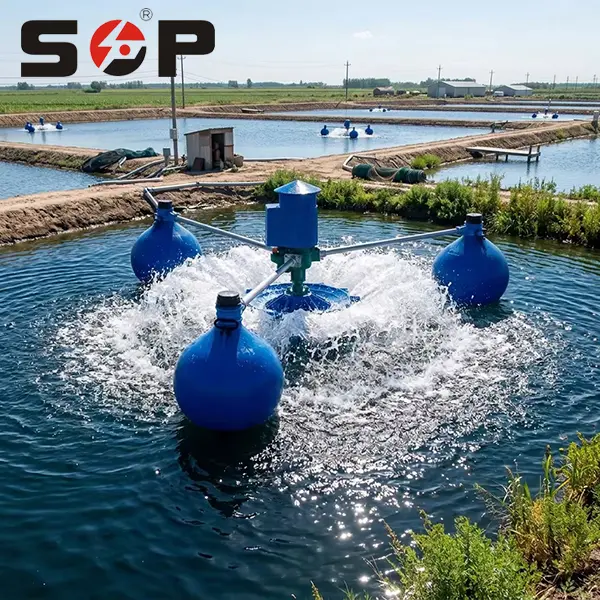
If you walk into any small to mid-sized shrimp or fish farm across Southeast Asia, South America or the coastal regions of China, there is one piece of equipment you will almost certainly spot bobbing steadily on the pond surface: the paddle wheel aerator. For decades, this seemingly unassuming machine has never grabbed the spotlight of flashy high-tech agricultural gadgets, but it has quietly become the unsung workhorse that keeps billions of pounds of farmed seafood alive every single year.
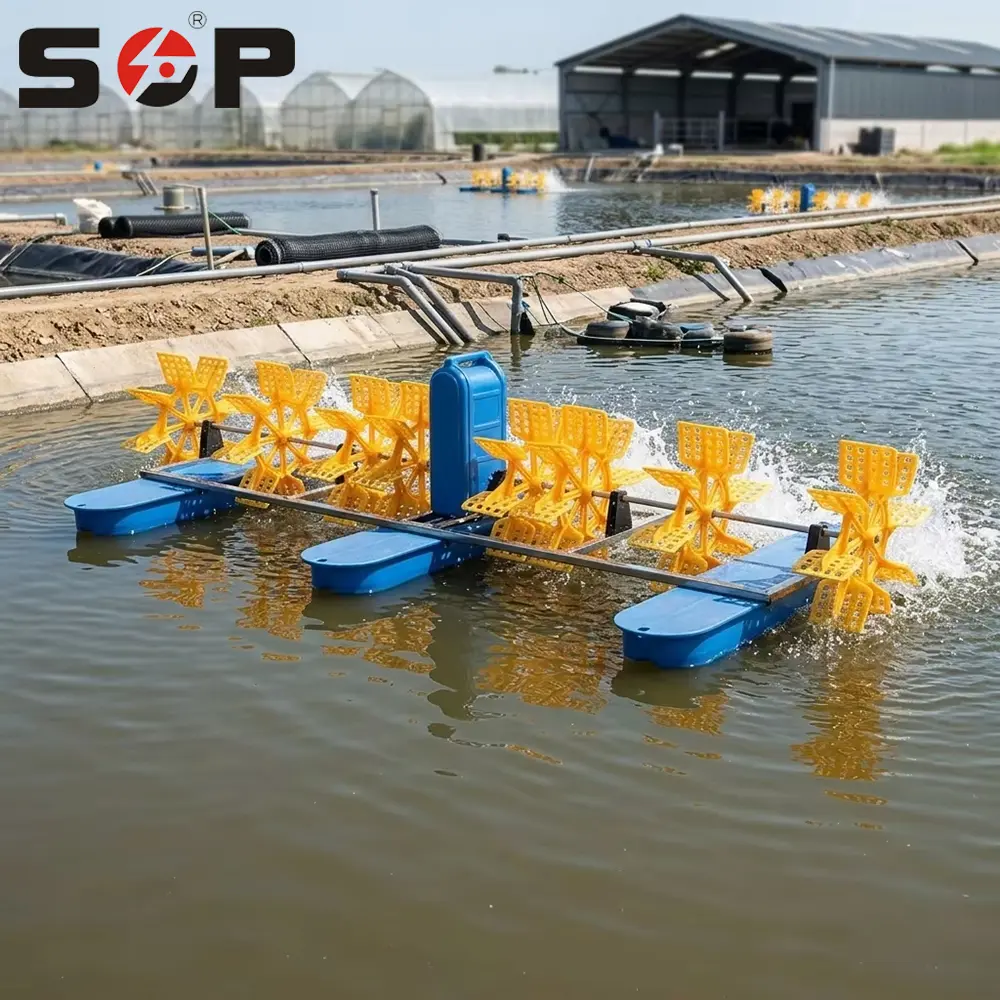
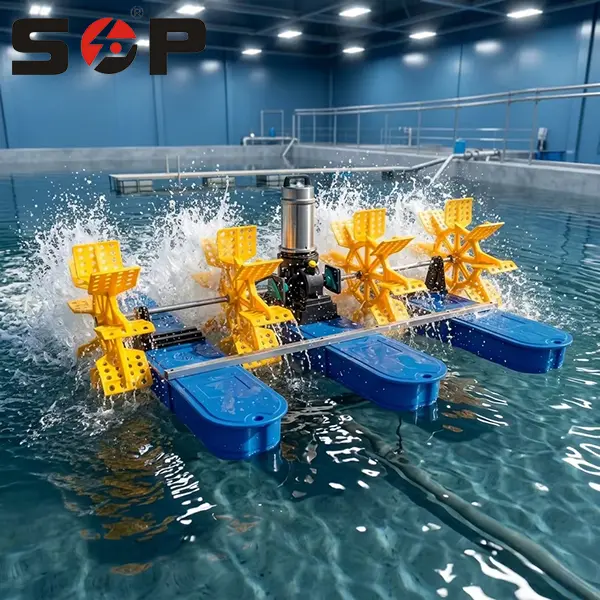
What makes this device so enduring is not some fancy new patent or overhyped smart feature. It is the simple, reliable logic at its core: spinning paddles churn the water, pull fresh air into the flow, push oxygen down to the pond bottom, and keep the entire water column moving so no dead, oxygen-starved zones can form where waste builds up and livestock gets stressed. Farmers do not need advanced engineering degrees to troubleshoot it, parts are easy to source locally almost everywhere, and it keeps running even through harsh monsoon seasons or unexpected power fluctuations that would knock far more expensive systems offline.
The past few years have seen a clear shift across the global aquaculture community. More operators are moving away from scattered, low-density pond setups toward far more intensive farming models that push water quality to its absolute limits. This transition has not killed demand for the classic paddle wheel aerator — it has actually made it more essential than ever. Farmers are not ditching these machines for unproven new tech; they are pairing them with smarter layout designs, staggered operation schedules and targeted supplementary equipment to get far more consistent performance out of a tool they already know they can trust.
Local manufacturing ecosystems are also evolving fast to keep up with this rising demand. Instead of relying entirely on imported units, more regional workshops are refining their own builds, tweaking frame materials, paddle shapes and floating body designs to match the exact water conditions, salinity levels and power access patterns of their local farming communities. This shift is not just about cutting costs — it is about making sure the machines can stand up to the specific, unforgiving real-world conditions no generic imported product was ever built for.
At the end of the day, the paddle wheel aerator’s biggest superpower is its stubborn practicality. It does not chase trends, it does not promise impossible results, and it never tries to replace the farmer’s own experience. It just shows up, works hard, and keeps the water alive — and that is exactly why it will remain the foundation of responsible, productive aquaculture for many years to come.