

Beyond Bubbles: Why Floating Surface Aerators Are Redefining Modern Aquaculture Resilience
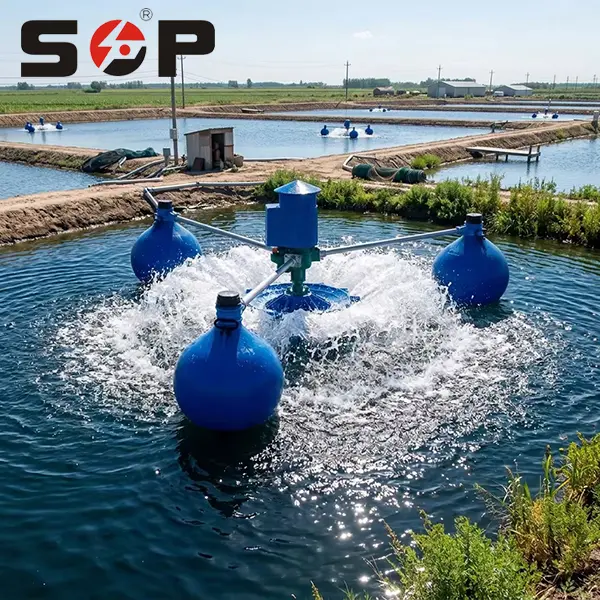
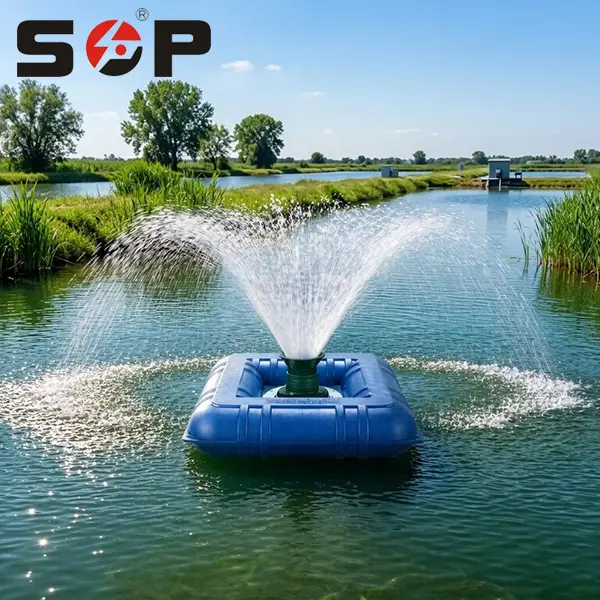
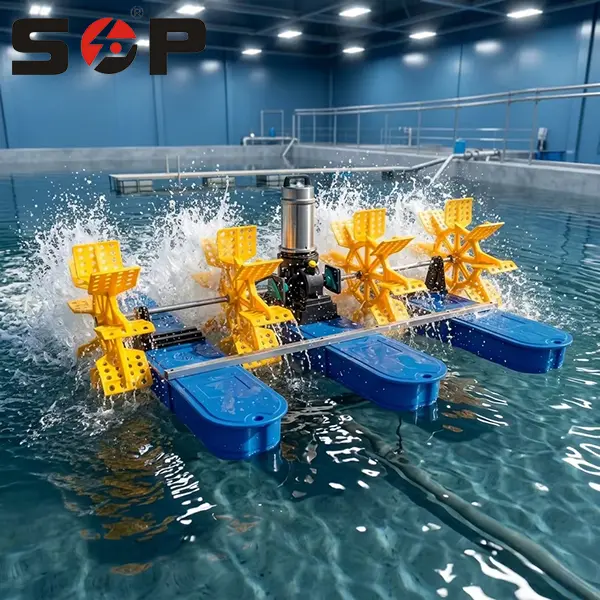
Walk any commercial aquaculture farm at dawn, and you’ll see it: the quiet churn of floating surface aerators skimming across pond surfaces, turning still water into ripples that keep every stock alive and growing. For anyone who’s spent seasons tending to shrimp, tilapia, or high-value fish, these machines aren’t just gear—they’re the most reliable crew members on the farm.
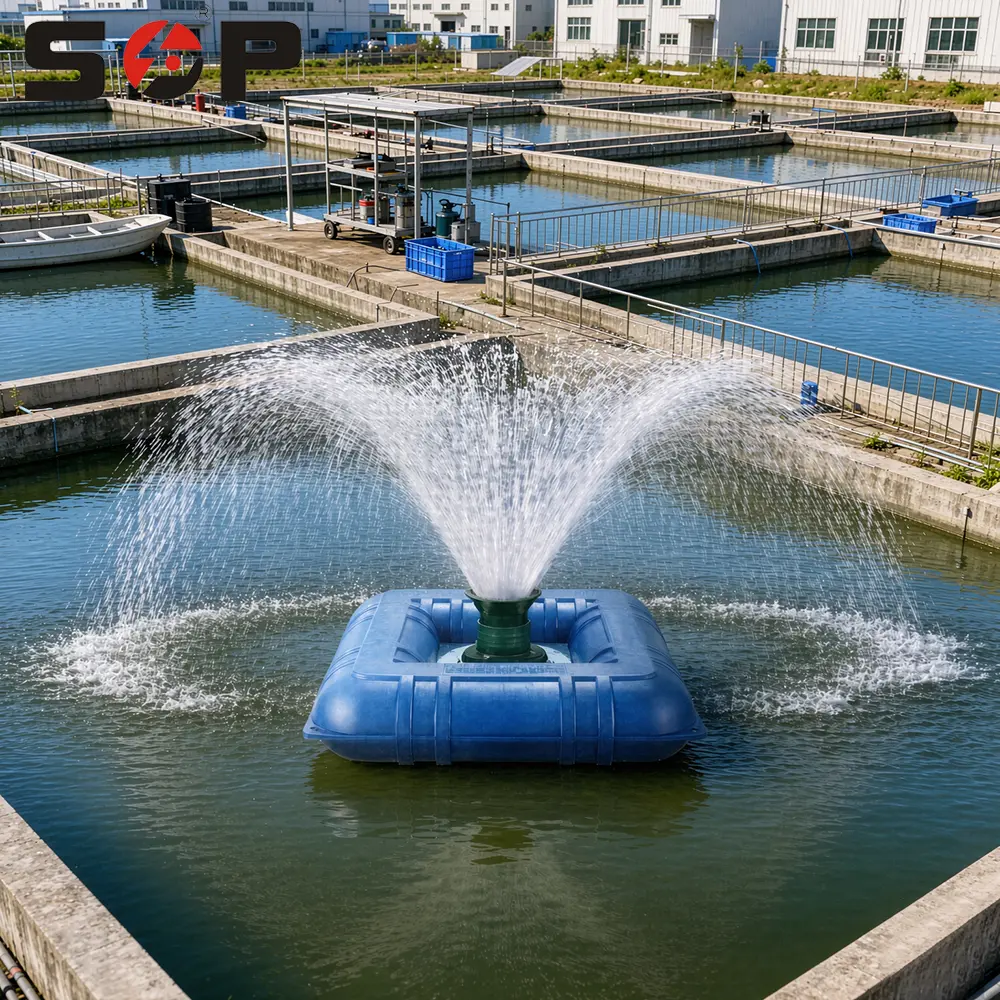
Before these floating units became standard, many farmers were stuck with clunky fixed aeration systems bolted to pond bottoms. When summer heat spiked and water levels shifted, or unexpected algae blooms sucked oxygen down overnight, there was no quick fix. Crews would rush to haul out portable pumps, scramble to rearrange pipe layouts, and still end up losing stock before sunrise. Now, floating surface aerators ride every water level change naturally. No re-drilling mounts, no draining sections of the pond, no all-night panics when the weather turns.
What makes them such a game-changer for aquaculture isn’t just the easy setup. It’s the way they move water gently but thoroughly, pulling low-oxygen layers up from the pond floor instead of just beating the top surface into foam. That steady vertical circulation cuts down on the sludge buildup that used to force frequent full-pond cleanouts, and it keeps dissolved oxygen consistent from edge to edge, even in the largest grow-out ponds. Farmers I’ve spoken to say they no longer have to race out at 2 a.m. with emergency oxygen tanks, because these aerators keep conditions stable through the hottest, most high-risk summer stretches.
The biggest win? They fit right into the rhythm of a working farm. No special tools needed for routine checks, no shutting down entire sections to service a single unit, no complicated training for new crew members. As more operations look for ways to reduce unnecessary risk and keep stock healthy through unpredictable seasons, the Floating Surface Aerator isn’t just a nice upgrade—it’s become the non-negotiable backbone of any resilient aquaculture setup.