



Centrifugal Blower Fans: The Overlooked Upgrade Fixing Hidden Facility Pain Points
If you’ve spent years running a large facility, you know there are tiny, persistent operational headaches that no fancy new system ever seems to fully solve. The ones that don’t show up on quarterly performance reports, but slowly wear down your team day after day. Lately, more and more facility managers are realizing that the humble centrifugal blower fan is the unexpected solution to a lot of those long-unaddressed problems, and it’s changing how they think about their entire air-moving setup.
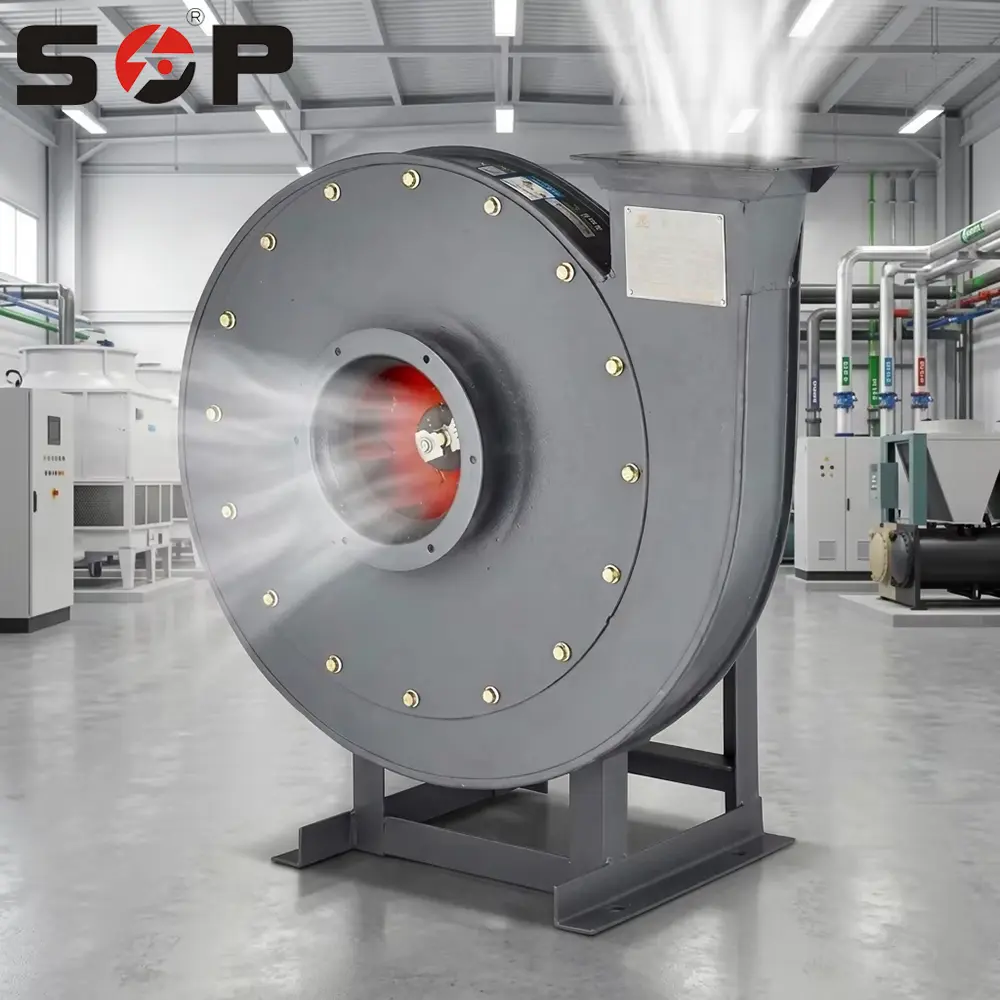
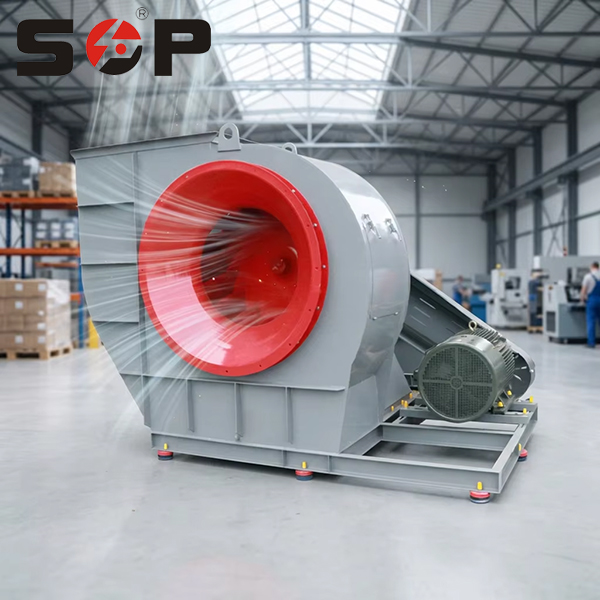
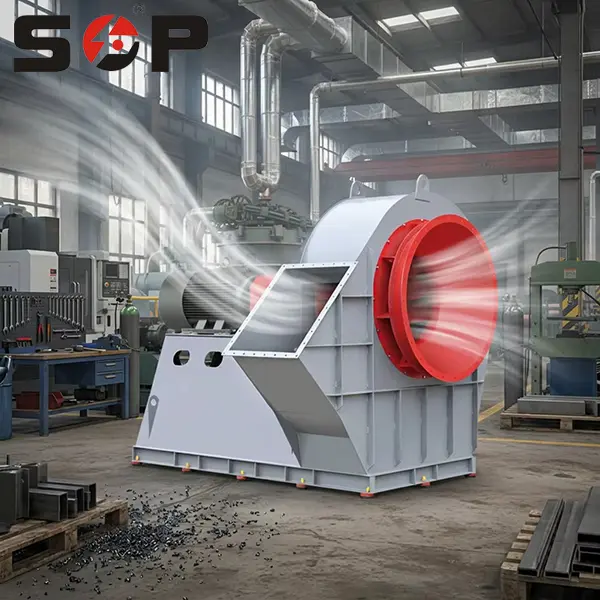
Most teams first notice the difference in spaces that used to always feel like a lost cause — the far corners of a warehouse that never got enough fresh air, the production line where fumes used to hang around no matter how many old fans they ran, the loading dock that turned unbearably stuffy during busy summer shifts. Older ventilation systems would peter out before they could reach these spots, but the focused, powerful output of a centrifugal blower fan pushes air exactly where it needs to go, no dead zones, no uneven air distribution that leaves some areas falling short.
What’s also turning heads is how these fans play nice with existing setups. Teams don’t have to rip out entire ductwork layouts or rearrange huge sections of their facility to fit them in. They can slot them into gaps in their current system, add them as targeted spot ventilation, or swap them in one at a time to replace failing old units, no massive, disruptive full upgrade required. For operations that can’t afford to shut down for days to rework their entire air system, that seamless, low-fuss integration is a total game-changer.
The best part? These fans don’t demand constant, specialized upkeep that pulls your maintenance team away from higher-priority work. Their simple, sturdy design means they can handle years of regular use in messy, high-traffic spaces without needing frequent, complicated repairs. For a long time, centrifugal blower fans were written off as just a basic, boring piece of auxiliary gear, but today’s facility teams are seeing them for what they really are: a low-cost, high-impact fix for all those small, annoying problems that used to make daily operations so much harder than they needed to be.