


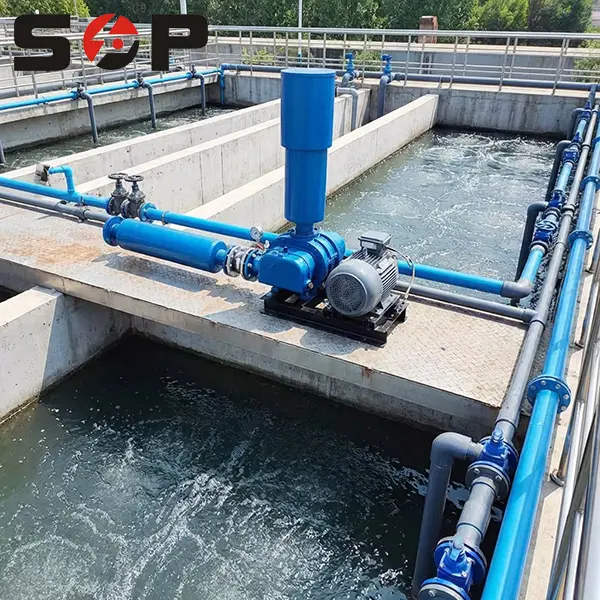


Bottom Aeration Aerator: The Quiet Game-Changer Reshaping Aquaculture and Wastewater Treatment
If you’ve spent any time around aquaculture ponds or wastewater treatment facilities lately, you’ve probably noticed a quiet shift happening. More operators are ditching traditional surface aerators and turning to bottom aeration aerators, and it’s not hard to see why.

Unlike older models that churn water from the top, these systems sit right at the bottom of ponds or tanks, releasing tiny bubbles that rise slowly and spread oxygen far more evenly across the entire water column. The difference is impossible to miss: no more noisy vibrations shaking the edges of pond banks, no more patches of low-oxygen water hiding just out of reach near the bottom, and far less wasted energy running pumps that never quite deliver the coverage you need.
What’s really driving the buzz right now is how flexible these systems are. Small-scale fish and shrimp farmers are finding they can cut down on unexpected losses and keep their stock healthier through hot summer months, without having to tear out their entire existing setup. For industrial teams handling food processing or textile wastewater, the technology is making the biological treatment stage far more stable, with less day-to-day maintenance and none of the loud operational noise that used to make working around aeration tanks a headache.
The biggest surprise? Many operators who waited years to test bottom aeration aerators are saying the switch paid for itself faster than they ever expected. As more regions push for greener, lower-energy operations, this unassuming piece of equipment is quickly moving from a niche alternative to the new standard. It’s not flashy, but it’s solving real, long-standing problems that the industry has been putting up with for decades.