


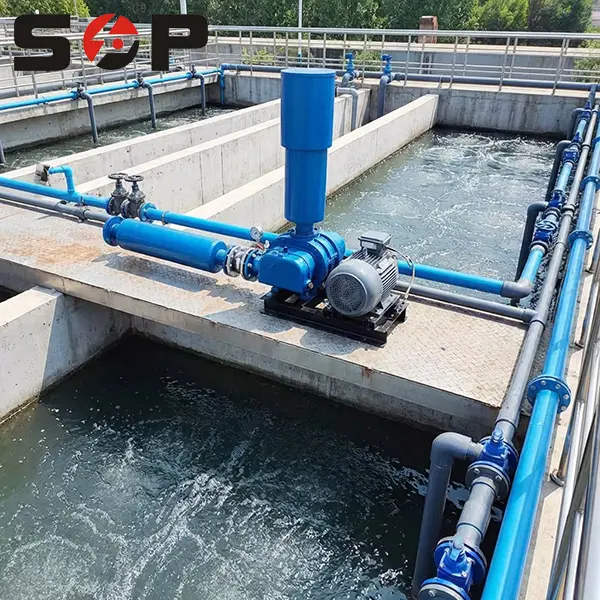


Regenerative Blowers Gain Traction as a Game-Changer for Wastewater Treatment Aeration
Across municipal and industrial wastewater treatment sites, plant operators are quietly shifting their focus to regenerative blowers as a practical fix for one of their most persistent pain points: high energy use tied to aeration systems. For years, many facilities have relied on older blower setups that eat up a huge share of their daily power budget, often leading to tight operational margins and unexpected downtime during peak processing periods.
What’s driving this recent wave of adoption isn’t just a vague push for sustainability—it’s real, on-the-ground performance that teams can see and measure week over week. Unlike traditional blowers that often require frequent part swaps and routine, time-consuming maintenance, these regenerative blowers run with far fewer moving components, cutting down on unplanned stops that can throw off an entire plant’s treatment schedule. Operators we’ve spoken to at recent water industry gatherings say the consistent, oil-free airflow they deliver also helps keep aeration basins running at a steady pace, no sudden spikes or drops in oxygen levels that can throw off the biological treatment process.

The shift lines up with a broader industry push to make wastewater management less of a drain on local municipal resources. Many plant teams are working to hit stricter environmental discharge rules while also making room for growing community populations and new industrial inflows, all without ballooning their monthly electricity bills. Regenerative blowers fit right into that sweet spot, offering a compact footprint that works well even in older plants where retrofitting space is tight, and a quiet operation that makes day-to-day work around the aeration zones far more manageable for on-site crews.
As more treatment facilities test these systems in real-world conditions, word is spreading fast among plant managers: this isn’t just another incremental equipment upgrade. It’s a practical, reliable choice that’s making daily operations smoother, more predictable, and far easier to align with long-term operational and environmental goals.