

Three Lobe Roots Blower: The Sturdy Aeration Workhorse Aquaculture Teams Swear By
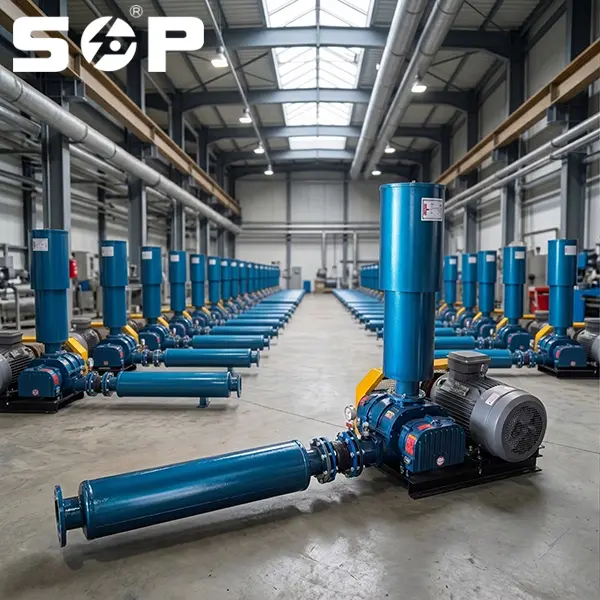
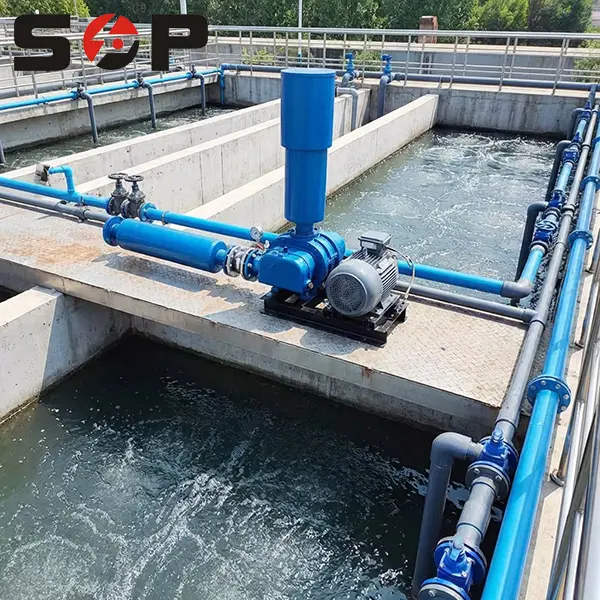
If you’ve ever stood beside a large aquaculture pond aeration system or a wastewater treatment aeration lane, you’ve almost certainly felt the steady, powerful thrum of a three lobe roots blower working away in the background. This isn’t the kind of sleek, lightweight gear that gets paraded around at flashy industry trade shows. It’s the heavy-duty, no-nonsense workhorse that operators have leaned on for decades, and for good reason.
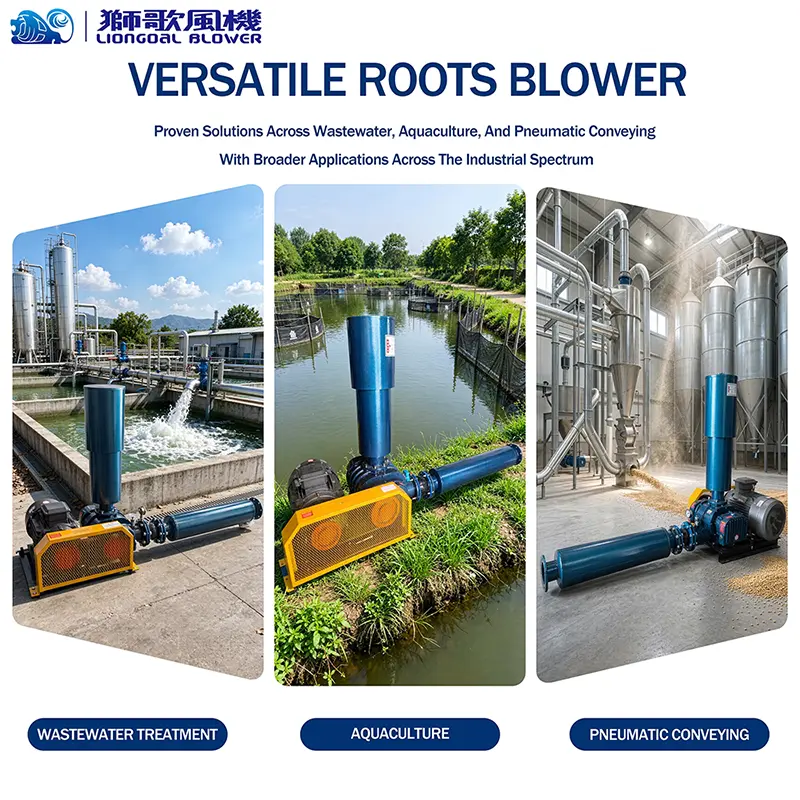
I’ve talked to farm supervisors who still run three lobe roots blowers they installed years ago, units that have outlasted three rounds of lighter, fancier aeration pumps that promised easier setup and lower hassle. Where other systems sputter and lose pressure when they have to push air through long runs of diffuser lines across a whole pond, these blowers deliver consistent, unwavering airflow right to the very farthest diffusers. No weak spots, no dead zones where oxygen levels drop unexpectedly in the dead of summer, no last-minute panics when a heatwave rolls in.
What makes them such a staple on working farms isn’t just their raw power. It’s how unshakably predictable they are. There’s no complicated digital interface to glitch out mid-shift, no delicate internal parts that jam the second a stray bit of debris finds its way into the line. Crews that know the basics can service them right on site, no need to wait for a specialized technician to drive out for hours. No draining pond sections, no shutting down entire grow-out cycles just to do a routine check.
For operations that can’t afford unexpected downtime, the three lobe roots blower isn’t just another piece of aeration equipment. It’s the reliable constant that lets teams stop troubleshooting airflow pressure issues every other week, and focus on tending to their stock instead. In an era where everyone is chasing the next flashy new upgrade, these unassuming blowers have earned their reputation as the quiet backbone of some of the most successful aquaculture and wastewater operations around.