



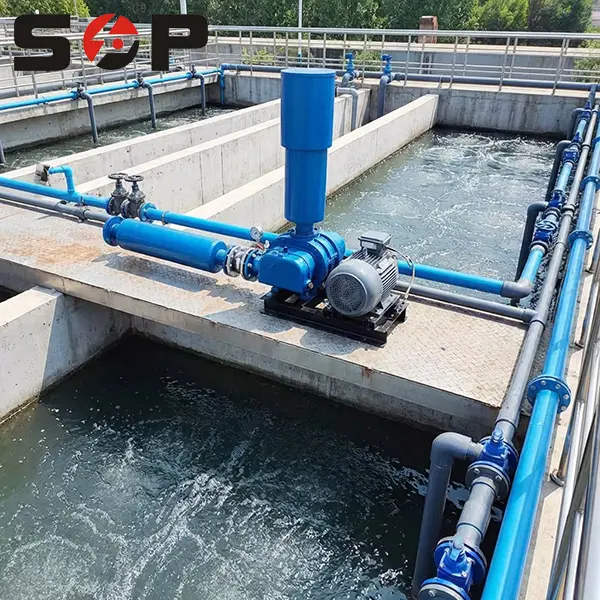
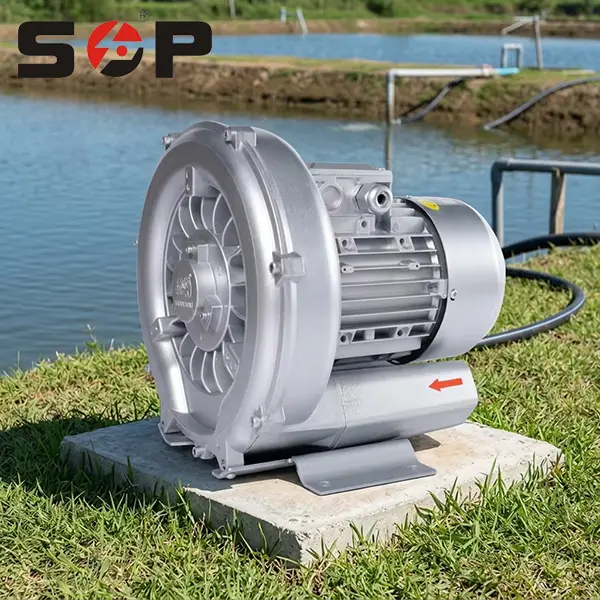
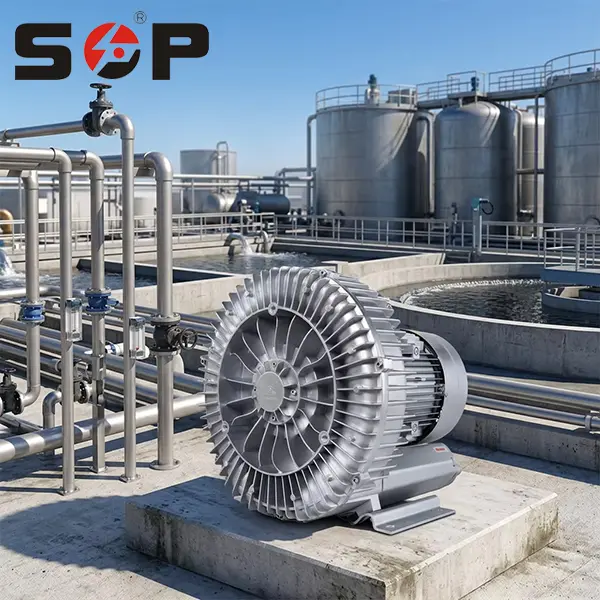
Large Centrifugal Blower: The Industry’s Quiet Obsession No One Saw Coming
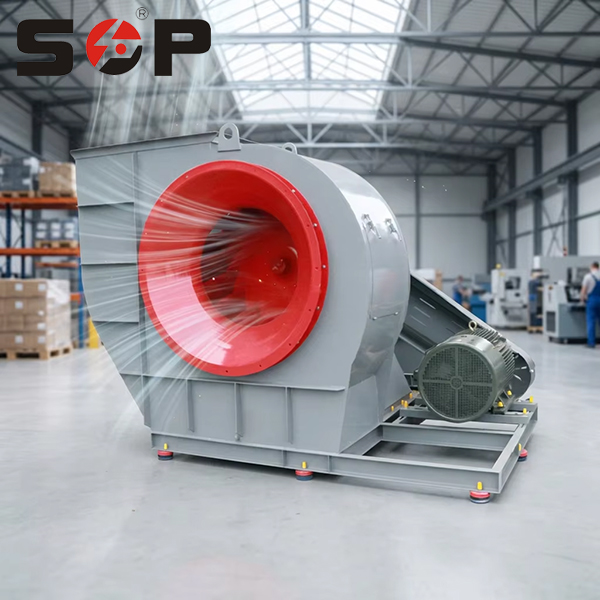
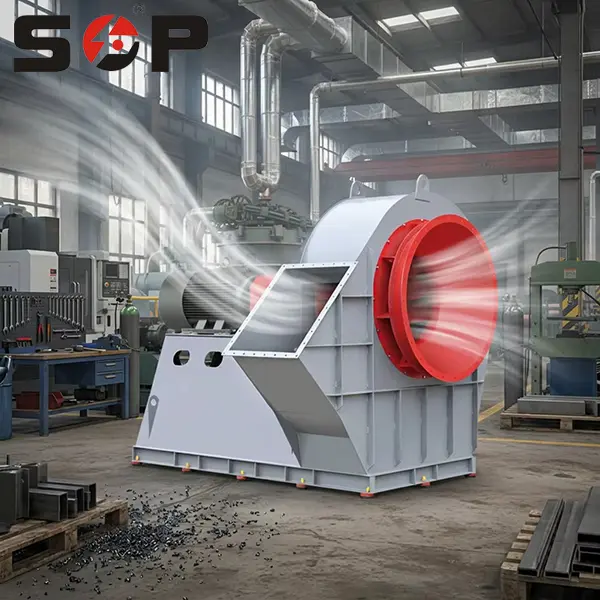
Let’s cut through the usual industry press fluff — the large centrifugal blower isn’t just another piece of equipment swap. It’s the under-the-radar upgrade that’s been making plant managers swap their old playbooks entirely, and no one saw it blowing up this fast.
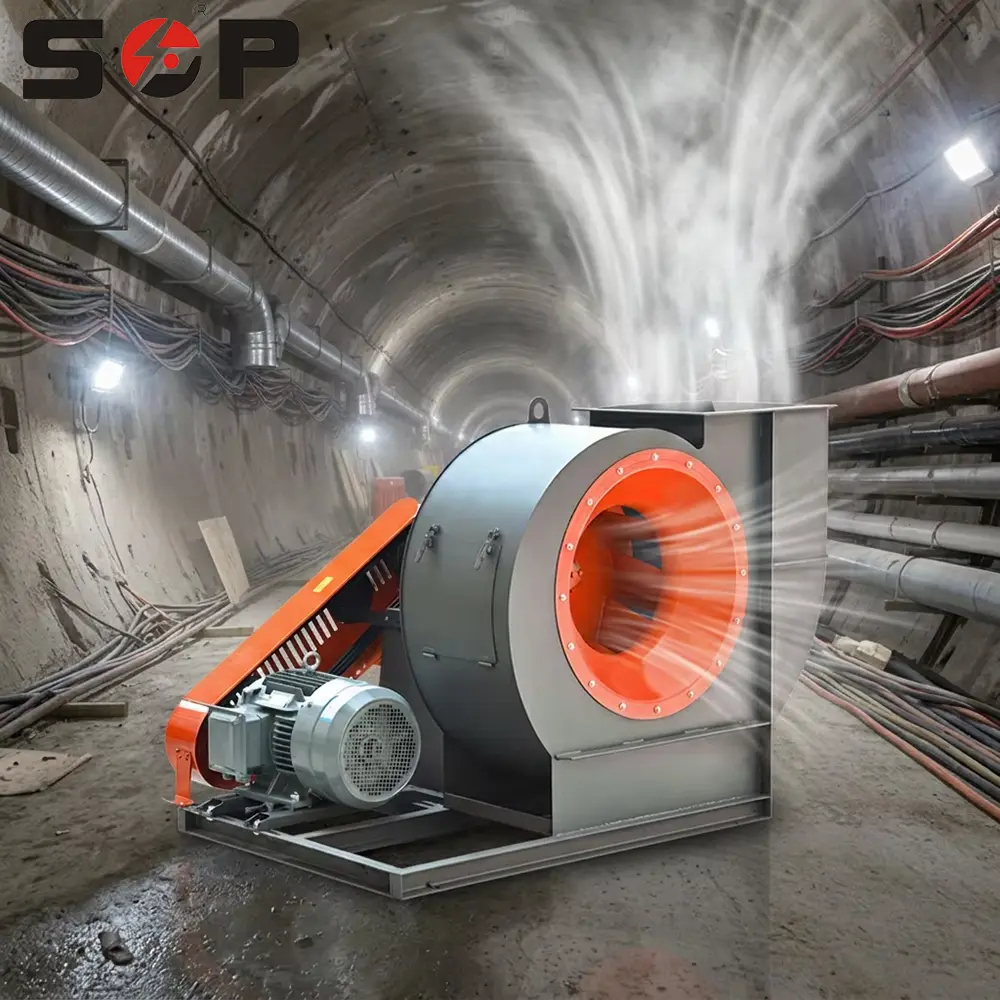
For years, everyone just put up with the old blowers: constant rattling that shook the control room walls, random mid-shift breakdowns that sent teams scrambling for backup units, and energy bills that made you wince every time you opened the invoice. No one thought there was a real way out — until these large centrifugal blower models started popping up, and suddenly the whole vibe shifted. They run so smooth you can lean a coffee cup on the housing without spilling a drop, and the noise level drops so much you can actually hold a normal conversation right next to them, no earplugs required.
The real tea from the field? Operators aren’t just hyped about the quieter floors or less frequent maintenance runs. They’re obsessed with how these blowers roll with the chaos of real operations. When a sudden rainstorm floods the inlet and sends organic loads spiking, they don’t choke or stall. When things calm down overnight, they dial back gently, no weird pressure surges, no wasted energy running at full blast for no reason.
Right now, it’s less of a trend and more of a groundswell. Teams that used to argue over whether the upgrade was worth it are now the ones telling every peer in their network to make the switch. The large centrifugal blower didn’t land with a big flashy launch — it snuck in, fixed all the annoying, unspoken problems everyone had learned to live with, and completely changed what people expect from their air supply systems.